

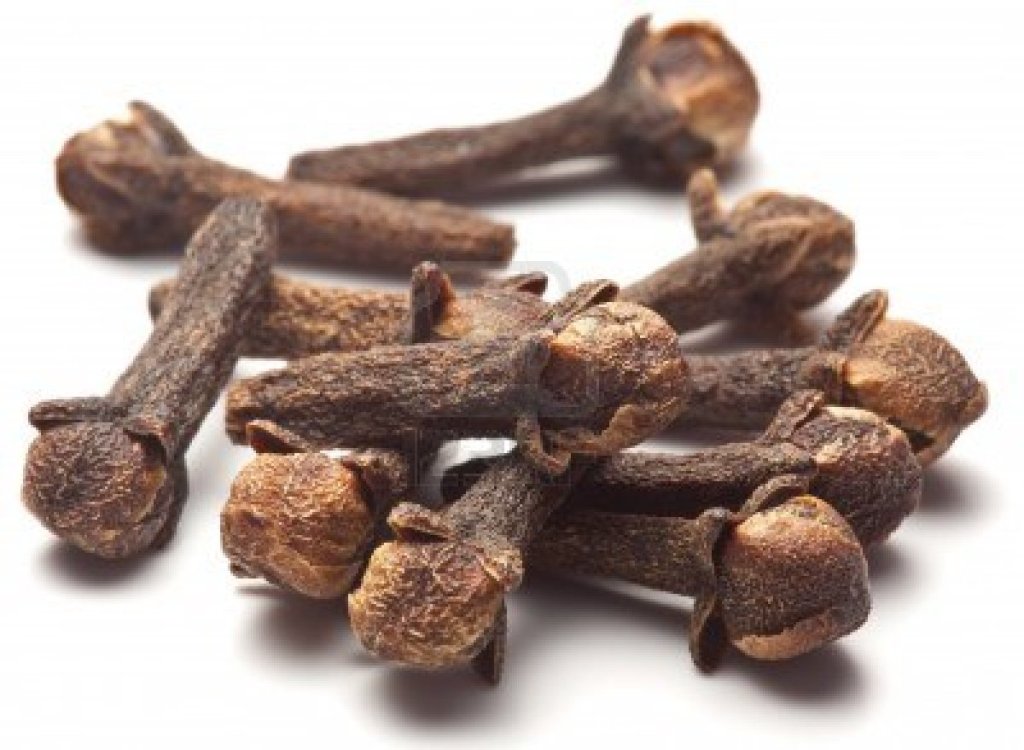
Herb is any parts of the plant including leaves, roots, flowers, seeds, root bark, inner bark (and cambium), resin and pericarp. Clove is a tall evergreen aromatic plant grown in parts of Asia and South America. It is a versatile herb that have both multipurpose medicinal and culinary uses. People including West Africans use the oils, dried flower buds, leaves, and stems to make medicine.
Medicinal Use
Clove has been used in the treatment and cure of many disease conditions. The essential oil extracted contains a chemical called eugenol that may help to decrease pain and fight infections. It also contain chemicals that might lower blood sugar and may be used in the treatment of diabetes. Eugenol is an anticoagulant / antiplatelet, therefore, clove might slow blood clotting. Like aspirin, it can be used to prevent the incidence of stroke. Taking clove oil along with medications that also slow clotting might increase the chances of bruising and bleeding.
- Small tears in the lining of the anus (anal fissures). Early research shows that applying a clove oil cream to anal tears for 6 weeks improves healing compared to using stool softeners and applying lidocaine cream.
- Tooth plaque. Early research shows that using a toothpaste or mouth rinse containing clove and other ingredients helps to reduce plaque on the teeth.
- Hangover. Early research shows that taking an extract from clove flower buds right before drinking alcohol improves hangover symptoms in some people.
- Excessive sweating (hyperhidrosis). Early research shows that applying clove oil to the palms for 2 weeks helps reduce excessive sweating of the palms.
- Mosquito repellent. Early research shows that applying clove oil or clove oil gel directly to the skin can repel mosquitos for up to 5 hours.
- Pain. Early research shows that applying a gel containing ground cloves for 5 minutes before being stuck with a needle can reduce needle stick pain.
- Prediabetes. Early research in people with prediabetes shows that taking an extract from clove flower buds seems to lower blood sugar levels before and after a meal. However, this study didn’t include a control group, so the true effects of clove on blood sugar are not clear.
- Itching. Early research shows that putting a solution containing clove oil gel on the skin can help with severe itching.
- Toothache. Clove oil and eugenol, one of the chemicals it contains, have long been applied to the teeth and gums for toothache.
- A mild form of gum disease (gingivitis).
- Bad breath.
- Cough.
- Diarrhea.
- Dry socket (alveolar osteitis).
- Gas (flatulence).
- Early orgasm in men (premature ejaculation).
- Indigestion (dyspepsia).
- Nausea and vomiting.
- When dried clove flower buds are mixed with camphor tablets (kafura I pelebe), it is also used in West Africa to treat stomach ache and acute hemorrhoid (jedi Jedi).
Culinary Use
Cloves are used in the cuisine of Asian, African, Mediterranean, and the Near and Middle East countries. In foods and beverages, clove is used as a flavoring. It is an important ingredient in the savory, aromatic and spicy Nigerian pepper soup mix.
 Dr. Seyibaba Marketplace
Leave a comment