

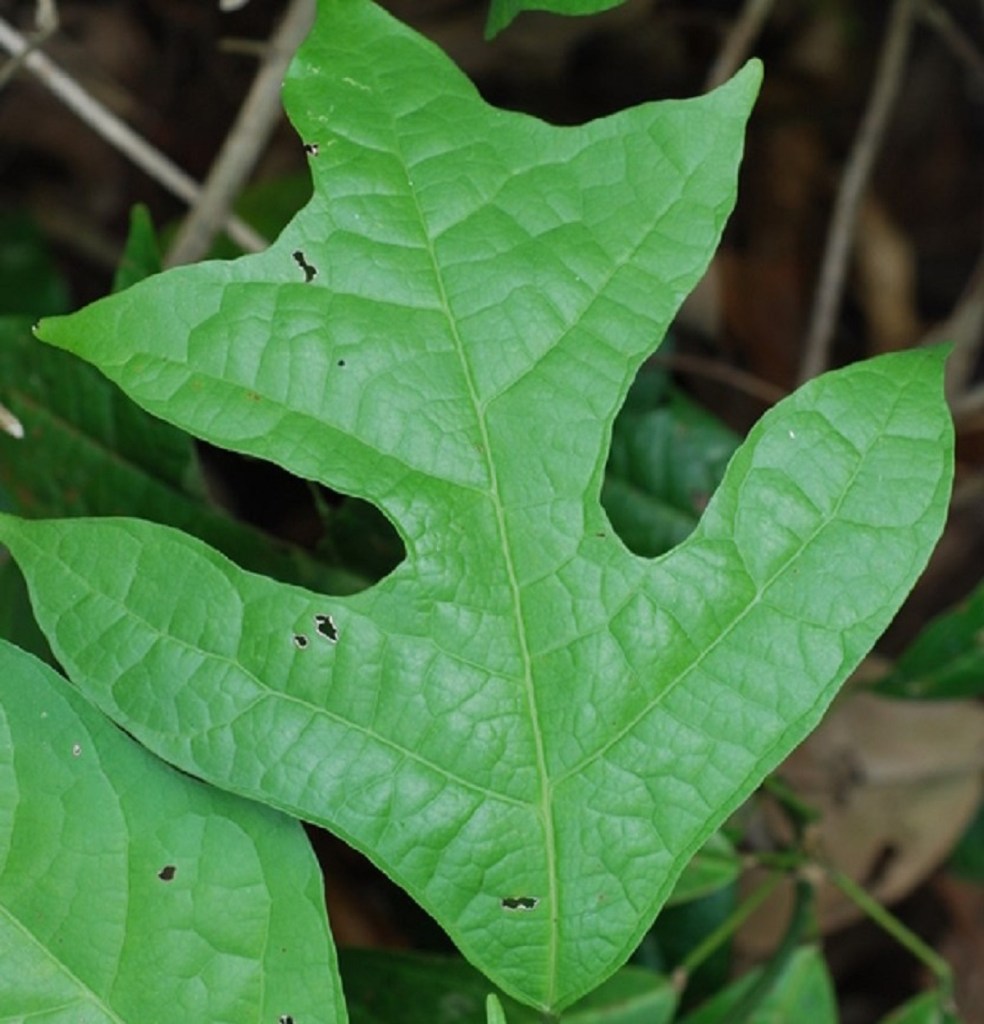
Sphenocentrum jollyanum (Akerejupon) is an evergreen shrub. It is a tropical herbaceous plant found commonly in West Africa. The plant is widely used for medicinal purposes in its native environment where it is gathered from the wild. The Yoruba people of Nigeria use many parts of this plant for medicinal and culinary purposes. The parts of plants used could either be the barks, roots, leaves or whole plants.
Medicinal use
- Sphenocentrum jollyanum are known anti-oxidant,anti-angiogenic, anti-inflammatory, antipyretic, antinociceptive, antitumor, antiviral, and also for their laxative, stomachic, tonic and aphrodisiac activities.
- Extracts from different parts are used for the control and treatment of many disease condition. This plant is useful in the treatment of malaria in Africa where there is increasing resistance of malaria parasites to chloroquine, the cheapest and commonly used drug. Malaria is a global disease that is predominant in the tropics and caused by blood parasites, Plasmodium falciparum, Plasmodium ovale, Plasmodium malariae and Plasmodium vivax.
- In preparation of herb recipes for malaria therapy, single plants (monotherapy) can be used or in combination of more than one plant. For instance, brewing agbo (herb tea) with Akerejupon and Osan ganinganin (key lime) (Citrus aurantifolia) is particularly good. Medicinal recipes also, could be a combination of various species of plants or plant parts.
- The root is chewed to clean the teeth and freshen breath.
- The root is used as an aphrodisiac tonic for men
- The sap from chewing sticks made from the root is believed to relieve stomach-ache and constipation, and to boost appetite and sexual drive
- Pounded roots are taken to treat high blood pressure.
- The boiled or pulped roots are given in draught or enema against epileptic seizures
- In Ghana, the pulped roots have been applied to treat breast tumors.
Culinary use
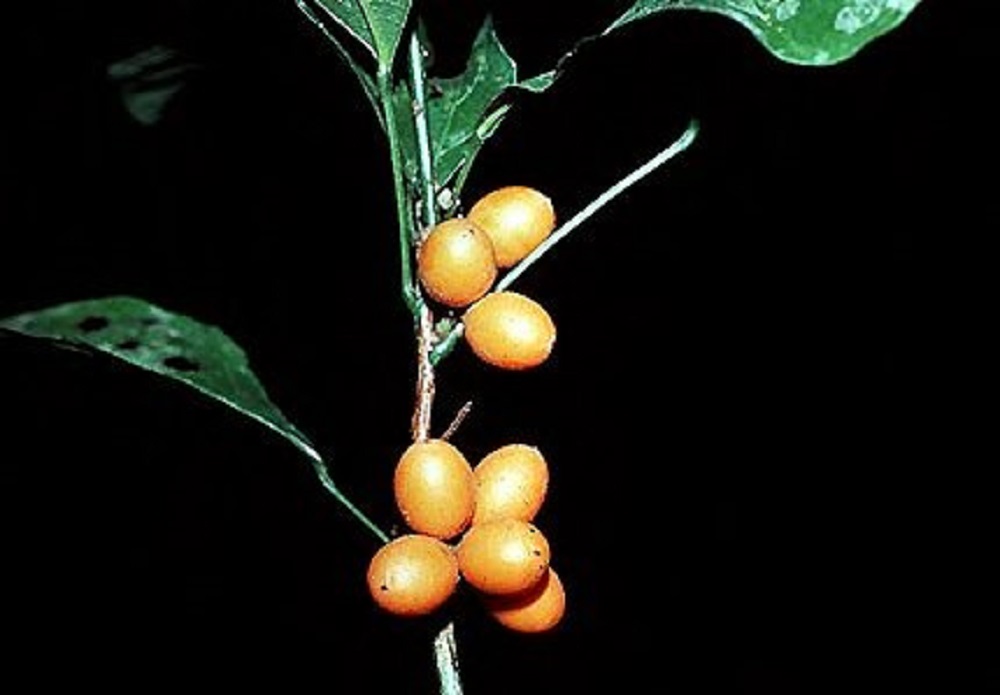
The mango like fruit is eaten to combat fatigue. The fruit is composed of 3 – 12 drupes, each drupe is yellow to orange color at maturity.
 Dr. Seyibaba Marketplace
Leave a comment