

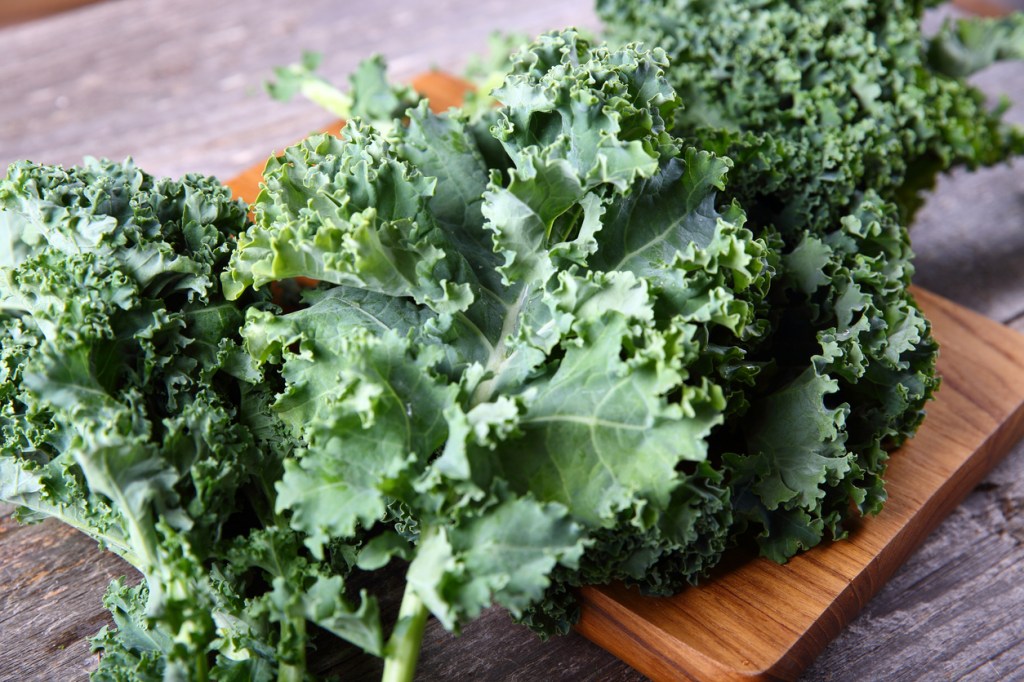
Kale is one of nature’s most nutrient-dense leafy green vegetables, admired for its deep green color, slightly bitter taste, and impressive health benefits. Often referred to as a “superfood,” kale is packed with essential vitamins, minerals, antioxidants, and plant compounds that promote overall well-being. Beyond its rich flavor and versatility in cooking, kale offers remarkable medicinal properties that support long-term health. Here are some key reasons to include more kale in your diet:
Supports Heart Health Kale is rich in fiber, potassium, and antioxidants such as flavonoids and beta-carotene. These nutrients help lower LDL (“bad”) cholesterol, regulate blood pressure, and improve blood circulation. Regular consumption of kale may reduce the risk of heart disease and stroke.
Strengthens Bones Kale is an excellent source of vitamin K, which plays a vital role in bone formation and blood clotting. Combined with calcium and magnesium, it helps improve bone density and reduces the risk of osteoporosis and fractures. Fights Inflammation and Oxidative Stress Kale contains powerful antioxidants, including vitamin C, quercetin, and kaempferol. These compounds help neutralize harmful free radicals, reduce inflammation, and protect body cells from damage, lowering the risk of chronic diseases such as diabetes and certain cancers.
Boosts Immunity The high vitamin C content in kale strengthens the immune system and enhances the body’s ability to fight infections. Vitamin A also supports immune health by maintaining healthy skin and tissues.
Promotes Eye Health Kale is rich in lutein and zeaxanthin, antioxidants that protect the eyes from harmful light exposure and may reduce the risk of cataracts and age-related macular degeneration. Aids Digestion and Weight Management High in dietary fiber and low in calories, kale supports healthy digestion, prevents constipation, and helps maintain a healthy weight. Its fiber also assists in stabilizing blood sugar levels.
Culinarily, kale is highly versatile and can be prepared in numerous delicious ways. It can be eaten fresh in salads, blended into smoothies with fruits like banana or pineapple, added to soups and stews, lightly sautéed with garlic and spices, baked into crispy kale chips, or steamed as a nutritious side dish. Its slightly earthy flavor makes it a valuable addition to both traditional and modern recipes.
 Dr. Seyibaba Marketplace
Leave a comment