

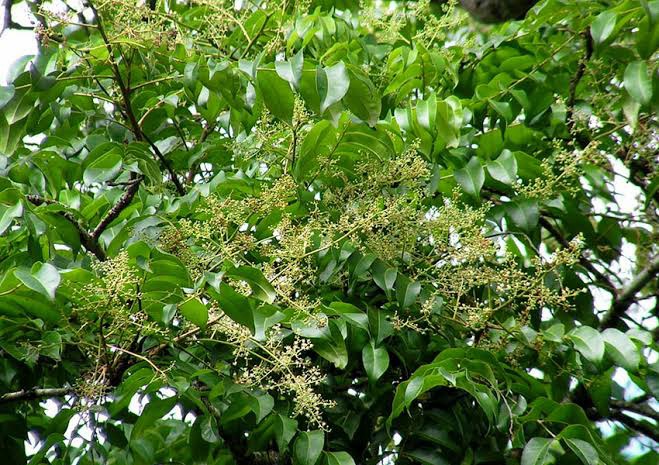
Spondias mombin, commonly known as hog plum, yellow mombin, or iyeye in Yoruba, is a tropical deciduous fruit-bearing tree found in many parts of West Africa, including Nigeria. It belongs to the family of Anacardiaceae and thrives in forest edges, savannahs, and well-drained soils. The tree can grow up to 25 meters tall, with rough bark and compound leaves. It bears yellow, plum-like fruits characterized by juicy, acidic pulp and a hard, woody seed.
Spondias mombin is used medicinally in various traditional practices, especially in West Africa.
The leaves are often boiled or soaked in water to make herbal teas that are consumed to treat conditions such as fever, diarrhea, and malaria. When crushed, the leaves may also be used as a poultice for skin irritations or applied to wounds to promote healing. The bark of the tree is commonly decocted and taken internally to manage digestive disorders, coughs, and chest infections. The roots are also boiled and used in managing urinary tract infections, menstrual irregularities, or sexually transmitted diseases.
Spondias mombin is a nutritious fruit packed with essential vitamins and minerals. It is rich in vitamin C, which boosts the immune system, promotes wound healing, and supports skin health, while vitamin A aids vision and cell growth. The fruit provides dietary fiber for healthy digestion and minerals like calcium and iron that support bone strength and blood formation. It also contains small amounts of potassium, magnesium, and phosphorus, which help maintain muscle, nerve, and metabolic functions. Low in fat and calories, the fruit is ideal for hydration and nourishment, especially in hot climates. Its natural antioxidants further protect the body from cellular damage and support overall wellness.
 Dr. Seyibaba Marketplace
Leave a comment