

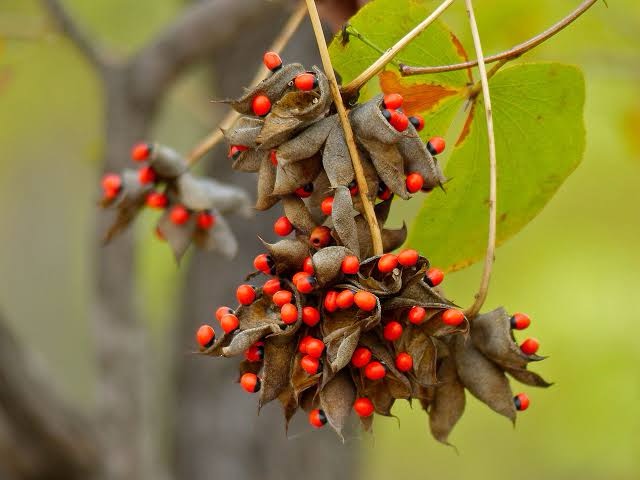
Abrus precatorius, commonly known as oju ologbo by the Yoruba people of Nigeria
rosary pea or jequirity bean, is a slender climbing plant with feathery leaves and distinctive red seeds marked with a black spot. It is native to tropical and subtropical regions worldwide.
Abrus precatorius has long been used in traditional medicine across Africa for a variety of health conditions. Its roots and leaves possess antimicrobial and antiviral properties, making it effective in treating infections. The plant is also known for its anti-inflammatory and analgesic effects, commonly used to relieve pain and manage conditions like arthritis. Additionally, it is used to treat fevers and respiratory ailments such as colds, coughs, and bronchitis. Some studies have shown that leaf extracts exhibit hypoglycemic activity, suggesting potential for diabetes management. The roots are also used in the treatment of snakebites and scorpion stings.
While Abrus precatorius has great medicinal benefits, especially in traditional medicine, its nutritional value is limited. The seeds contain high levels of protein, but due to the presence of abrin, they are not edible.The plant contains small amounts of minerals like calcium, potassium, and magnesium, mainly found in the leaves and roots. The leaves also contain flavonoids and phenolic compounds that have antioxidant properties, which may help in combating oxidative stress
 Dr. Seyibaba Marketplace
Leave a comment