

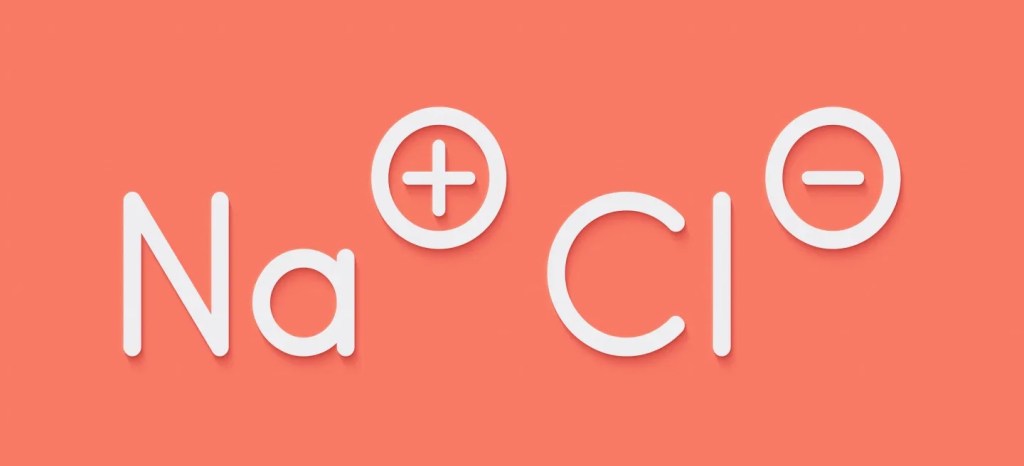
chloride is an essential mineral that is needed for various physiological functions in the body. Chloride ions (C-) are negatively charged ions that play an important role in maintaining the body’s fluid and electrolyte balance.
Chloride works by:
1. Maintaining fluid balance: Chloride ions are an important component of extracellular fluid (ECF) and work with sodium ions to maintain the body’s fluid balance. This helps to regulate blood pressure and prevent dehydration.
2. Digestion: Chloride ions are involved in the production of hydrochloric acid (HCI) in the stomach, which helps to break down food and aid in digestion.
3. Acid-base balance: Chloride ions play a role in maintaining the body’s acid-base balance. They work with bicarbonate ions to help regulate the pH of the blood and other bodily fluids.
4. Nerve function: Chloride ions are involved in the transmission of nerve impulses and muscle contractions. They help to maintain the electrical potential of nerve cells and muscle fibers.
5. Immune system function: Chloride ions are involved in the immune system’s response to infection and inflammation. They help to regulate the movement of white blood cells and other immune cells throughout the body.
Overall, chloride is an essential mineral that plays a vital role in many physiological functions in the body.
 Dr. Seyibaba Marketplace