

Recipe: Drink Your Way to Weight Loss-Mixed Berry Greens
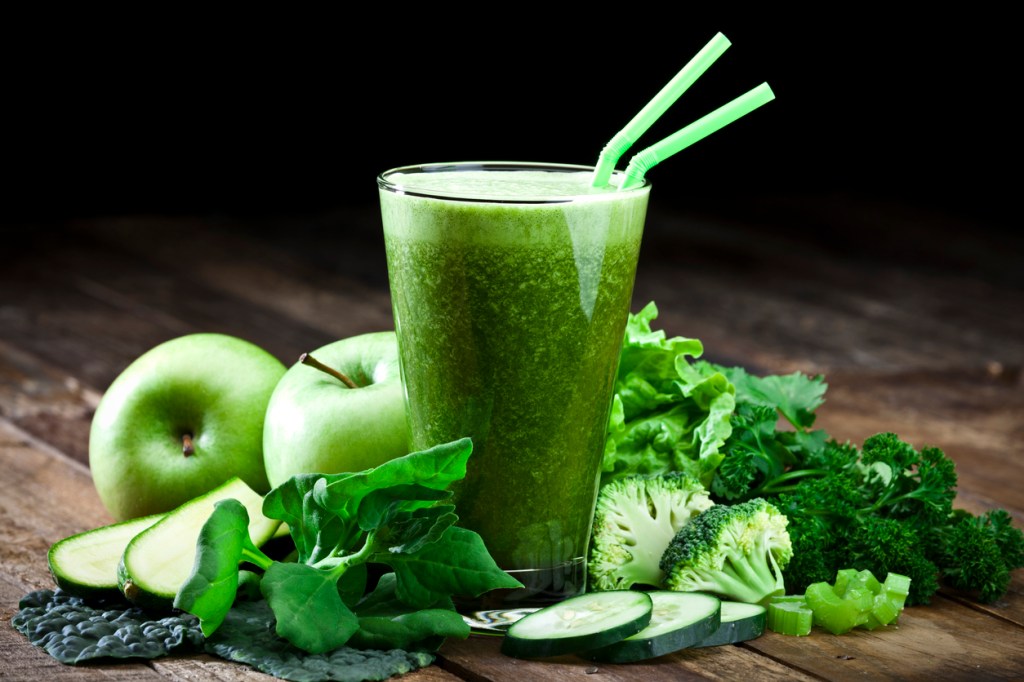
This Mixed Berry green smoothie is a plant-based wellness booster. It is rich in antioxidants, contains complex carbs, and healthy fats from a variety of superfoods such as kale, chia seeds, spinach, blueberries, and strawberries. This supercharged drink helps in cleansing, purifying, rejuvenating, and supporting the body’s liver, blood, and colon while helping to increase your energy levels and enhances your weight loss regimen.
Recipe: The Nutritional Facts of Lobster

Recipe: The Nutritional Facts of Halibut

This low-fat low-calorie highly rich in protein fish has both nutritional and medicinal values. Protein can help build and repair muscle, suppress appetite, and support weight loss. This fish is also very rich in many nutrients such as selenium, niacin, phosphorus, magnesium, vitamin b6, b12, and omega H3. Halibut’s selenium, niacin and omega-3 contents can help reduce the negative effects of chronic inflammation and supports heart health. The fish can be seasoned with so many different spices and can be served with several vegetables and fruits. Refer to the Red Snapper article for more information about the vegetables and fruits.
Recipe: The Nutritional Facts of Spinach
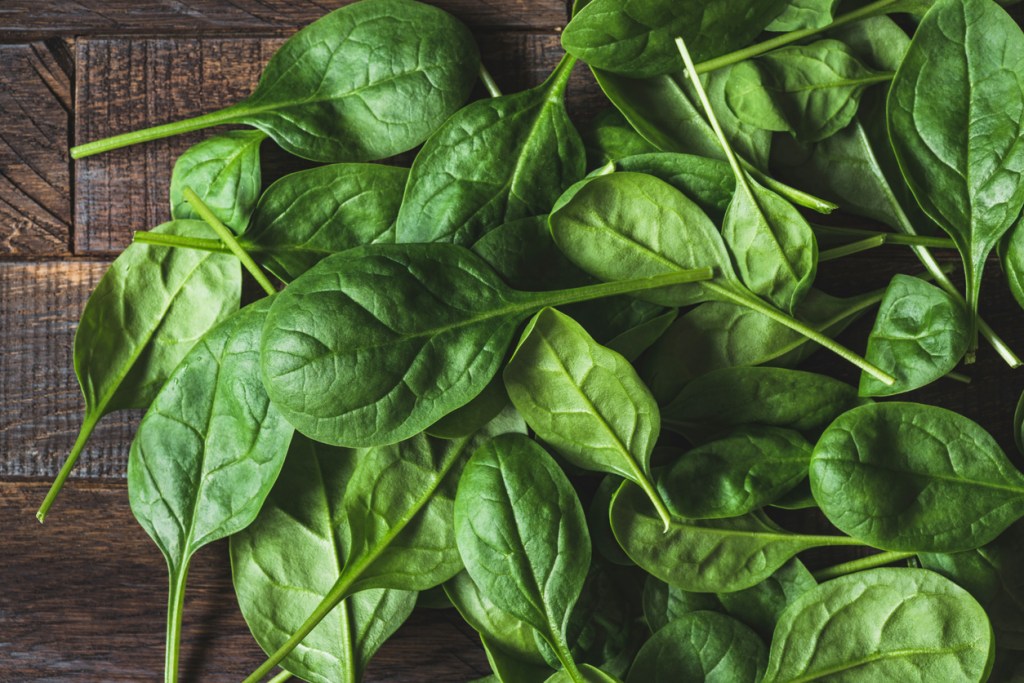
Spinach is a nutrient rich vegetable that is an excellent source of vitamins and minerals. One cup of raw spinach (about 30 grams) contains
Calories:7
Protein :0.85 grams
Carbohydrates:1.09 grams
Fiber:0.7 grams
Fat:0.12 grams
Vitamins A:56% of the Daily value (DV)
Vitamins C: 14% of the DV
Vitamins K: 181% of the DV
Folate: 15% of the DV
Iron: 5% of the DV
Calcium : 2% of the DV
Potassium:4% of the DV
Spinach is also rich in antioxidants and other beneficial plant compounds, which may have a range of health benefits. It is a versatile vegetable that can be eaten raw in salads or cooked in a variety of dishes, such as soups, stews, and stir fries.
Recipe: The Nutritional Facts of Strawberries
Nutrient per 100 grams (3.5 ounces) of strawberries:
- Calories: 32 kcal
- Protein: 0.67 g
- Fat: 0.30 g
- Carbohydrates: 5.68 g
- Fiber: 2 g
- Sugars: 4.89 g
Vitamins:
- Vitamin C: 58.8 mg (98% Daily Value)
- Vitamin K: 2.2 mcg (3% Daily Value)
- Folate: 24 mcg (6% Daily Value)
- Vitamin B6: 0.047 mg (2% Daily Value)
- Vitamin E: 0.29 mg (1% Daily Value)
- Niacin: 0.386 mg (2% Daily Value)
- Riboflavin: 0.022 mg (1% Daily Value)
- Thiamin: 0.024 mg (2% Daily Value)
- Manganese: 0.386 mg (19% Daily Value)
- Potassium: 153 mg (4% Daily Value)
- Magnesium: 13 mg (3% Daily Value)
- Phosphorus: 24 mg (2% Daily Value)
- Calcium: 16 mg (2% Daily Value)
- Iron: 0.30 mg (2% Daily Value)
- Zinc: 0.14 mg (1% Daily Value)
- Sodium: 1 mg (0% Daily Value)
Strawberries are low in calories and fat, and are a good source of dietary fiber and vitamin C. They also contain small amounts of other vitamins and minerals such as vitamin K, folate, potassium, and manganese. Strawberries are a rich source of antioxidants, particularly vitamin C, which is important for immune function and skin health. They are also a good source of dietary fiber, which can help promote digestive health. Strawberries are naturally sweet and are a good source of natural sugars, making them a tasty and healthy addition to your diet.
Recipe: Nutritional Facts of Orange (Orombo)
On the size, variety, and freshness of the orange. Here is a detailed breakdown of the nutritional facts for an average-sized orange (about 154 grams)
- Calories: 80
- Total Carbohydrates: 19.5g
- Dietary Fiber: 3.1g
- Sugars: 14.4g
- Protein: 1.3g
- Total Fat: 0.3g
- Saturated Fat: 0.03g
- Monounsaturated Fat: 0.055g
- Polyunsaturated Fat: 0.086g
- Cholesterol: Omg
- Vitamin C: 70.3mg (117% of the Recommended Daily Value, or DV)
- Folate: 39.1mcg (10% DV)
- Potassium: 232mg (7% DV)
- Thiamin (Vitamin B1): 0.087mg (6% DV)
- Vitamin A: 2951U (6% DV)
- Calcium: 52.4mg (5% DV)
- Magnesium: 15.4mg (4% DV)
Oranges are a good source of vitamin C, a powerful antioxidant that helps boost the immune system and supports collagen production. They are also a good source of dietary fiber, which aids in digestion and helps maintain healthy cholesterol levels. Oranges are low in calories and fat, making them a healthy and refreshing choice for a snack or addition to your diet.
Recipe: Nutritional Facts of Apple
Serving size: 1 medium-sized apple (3.5 0z or 100 g)
Macronutrients:
- Calories: 52 kcal
- Carbohydrates: 13.81 g
- Dietary fiber: 2.4 g
- Sugars: 10.39 g
- Protein: 0.26 g
- Fat: 0.17 g
Vitamins:
- Thiamin (vitamin B1): 0.017 mg
- Riboflavin (vitamin B2): 0.026 mg
- Niacin (vitamin B3): 0.091 mg
- Vitamin B6: 0.041 mg
- Folate (vitamin B9):
- Pantothenic acid (vitamin B5): 0.061 mg
- Choline: 4.2 mg
Minerals:
- Calcium: 6 mg
- Iron: 0.12 mg
- Magnesium: 5 mg
- Phosphorus: 11 mg
- Potassium: 107 mg
- Sodium:1 mg
- Zinc: 0.04 mg
- Copper: 0.027 mg
- Manganese: 0.035 mg
- Selenium: 0.1
Phytochemicals:
Flavonoids, including quercetin, epicatechin, and kaempferol, which are antioxidants and have potential health benefits.
Please note that these values may vary depending on the specific type and variety of apple.
Also, the nutritional content may vary slightly based on factors such as ripeness, storage conditions, and cooking methods.
Recipe: Nutritional Facts of Pineapple (Ope oyinbo)
Nutrient Per 100 grams (3.5 oz) Per 1 cup,
- Chunks (165 g)
- Calories 50 kcal 83 kcal
- Carbohydrates 13.12 g 21.65 g
- Fiber 1.4 g 2.3 g
- Sugars 9.85 g 16.25 g
- Protein 0.54 g 0.89 g
- Fat 0.12g 0.20 g
- Saturated Fat 0.018 g 0.030 g
- Monounsaturated Fat 0.008 g 0.013 g
- Polyunsaturated Fat 0.041 g 0.067
- Cholesterol O mg 0 mg
Vitamins:
- Vitamin C 47.8 mg 79.1 mg
- Vitamin A 58 IU 96
- Vitamin B6 (Pyridoxine) 0.112 mg 0.185 mg
- Vitamin B9 (Folate) 18 mg 30
- Vitamin B1 (Thiamine) 0.079 mg 0.130 mg
- Vitamin B2 (Riboflavin) 0.032 mg 0.053 mg
- Vitamin B3 (Niacin) 0.500 mg 0.825 mg
- Vitamin E 0.02 mg 0.033 mg
- Calcium 13 mg 21 mg
- Magnesium 12 mg 20 mg
- Phosphorus 8 mg 13 mg
Minerals:
- Potassium 109 mg 180 mg
- Sodium 1 mg 2 mg
- Zinc 0.12 mg 0.20 mg
- Manganese 0.927 mg 1.534 mg
- Copper 0.110 mg 0.182 mg
- Iron 0.29 mg 0.48 mg
- Selenium 0.1 mg 0.2 mg
Recipe: Nutritional Facts of Cucumber

Nutritional facts cucumbers per 100 grams of raw cucumber:
- Calories: 15 kcal
- Carbohydrates: 3.63 g
- Fiber: 0.5 g
- Protein: 0.65 g
- Fat: 0.11g
- Vitamin C: 2.8 mg
- Vitamin K: 16.4 Mg
- Folate:7 mg
- Calcium: 16 mg
- Magnesium: 13 mg
- Potassium: 147 mg
- Cucumber Nutrition Facts
- Water: 95.23 g
It’s important to note that these values are approximate and may vary depending on the variety, size, and freshness of the cucumber. Cucumbers are low in calories, a good source of hydration due to their high water content, and contain small amounts of essential vitamins and minerals. They are also naturally low in fat and a good source of dietary fiber.
Cucumbers can be a healthy addition to a balanced diet and can be enjoyed in salads, sandwiches, or as a refreshing snack.
Recipe: Nutritional Facts of Carrot
Nutritional facts for carrots, raw, per 100 grams:
- Calories: 41
- Carbohydrates: 9.58 grams
- Protein: 0.93 grams
- Fat: 0.24 grams
- Fiber: 2.8 grams
- Sugar: 4.74 grams
- Vitamin A: 8,333 |U (International Units)
- Vitamin C: 5.9 milligrams
- Vitamin K: 13.2 micrograms
- Folate: 19 micrograms
- Potassium: 320 milligrams
- Calcium: 33 milligrams
- Magnesium: 12 milligrams
- Phosphorus: 35 milligrams
- Sodium: 69 milligrams
Note: Nutritional values may vary slightly depending on the variety, freshness, and preparation of carrots.
Recipe: Nutritional Facts of Cabbage
Nutritional facts for cabbage, which may vary slightly depending on the specific types of cabbage and how it is prepared. Please note that these values are appropriate and can vary depending on various factors such as growing conditions, freshness and cooking methods.
Nutritional facts for cabbage per 100 grams, based on typical values:
- Energy: 25 kcal
- Carbohydrates: 5.8 g
- Fiber: 2.5 g
- Protein: 1.3 g
- Fat: 0.1 g
- Vitamin C: 36.6 mg
- Vitamin K: 76 mg
- Folate: 53 mg
- Calcium: 40 mg
- Potassium: 170 mg
- Magnesium: 12 mg
- Phosphorus: 26 mg
- Iron: 0.5 mg
Cabbage is a low-calorie and nutrient-rich vegetable that is a good source of dietary fiber, vitamin C, vitamin K, and folate. It also contains small amounts of minerals such as calcium, potassium, magnesium, and iron. Cabbage is often consumed cooked or raw, and can be incorporated into a variety of dishes such as salads, soups, stir-fries, and stews.
Recipe: The Nutritional Facts of Banana(Ogede)

Here are the typical nutritional facts for a medium-sized banana (about 7-8 inches long, approximately 118 grams)
Calories: 105
Total Fat: 0.39 grams
Cholesterol: 0 milligrams
Sodium:1 milligram
Potassium: 422 milligrams
Total Carbohydrate: 27 grams
Dietary Fiber: 3.1 grams
Sugars: 14 grams
Protein: 1.29 grams
Vitamin C: 10.3 milligrams
Vitamin B6: 0.43 milligrams
Folate: 24 micrograms
Vitamin A: 76 international units
Calcium: 6 milligrams
Iron: 0.26 milligrams
Magnesium: 32 milligrams
Please note that these values are approximate and may vary depending on the size and ripeness of the banana
Recipe: Nutritional Facts of Watermelon
The nutritional facts of watermelon, per 100 grams (3.5 ounces) of raw watermelon, are as follows:
Calories: 30
Total Carbohydrates: 7.55 grams
Dietary Fiber: 0.4 grams
Total Sugars: 6.20 grams
Protein: 0.61 grams
Total Fat: 0.15 grams
Cholesterol: 0 milligrams
Sodium: 1 milligram
Potassium: 112 milligrams
Vitamin C:8:1 milligrams
Vitamin A: 28 micrograms
Lycopene: 4532 micrograms
It’s important to note that the nutritional content of watermelon may vary depending on factors such as ripeness, variety, and growing conditions. These values are approximate and may differ in specific cases. Additionally, watermelon is a good source of hydration as it is high in water content, making it a refreshing and hydrating fruit option.
Recipe: Nutritional Facts of Coconut(Agbon)
Coconut Nutritional Facts
Coconut per 100grams, approximate values):
Energy: 354 calories
Carbohydrates: 15.23 grams
Protein:3.33 grams
Total Fat: 33.49 grams
Saturated Fat: 297 grams
Monounsaturated Fat: 1.43 grams
Polyunsaturated Fat: 0.37 grams
Fiber:9 grams
Sugar: 6.23 grams
Vitamin C: 3.3 milligrams
Vitamin E: 0.24 milligrams
Vitamin B6: 0.054 milligrams
Folate: 26 micrograms
Iron: 2.43 milligrams
Zinc: 11 milligrams
Potassium: 356 milligrams
Phosphorus: 113 milligrams
Magnesium: 32 milligrams
It’s important to note that the nutritional content of coconut can vary depending on factors such as growing conditions, processing, and storage.
Recipe: Nutritional Facts of Mango
The following are the nutritional facts for a raw mango, per 100 grams (3.5 ounces) of edible portion:
Energy: 60 kcal
Carbohydrates: 15 grams
Fiber: 1.6 grams
Sugars: 13.7 grams
Protein: 0.82 grams
Fat: 0.38 grams
Vitamin C: 36.4 milligrams
Vitamin A: 54 micrograms
Vitamin E: 0.9 milligrams
Vitamin K: 4.2 micrograms
Folate: 14 micrograms
Potassium: 168 milligrams
Magnesium: 10 milligrams
Phosphorus: 14 milligrams
Calcium: 11 milligrams
Iron: 0.16 milligrams
It’s worth noting that the nutrient content of mangoes can vary depending on factors such as ripeness, variety, and growing conditions.
Recipe: Nutritional Facts of Papaya(Ibepe)
Here is the nutritional information for papaya, Serving size: 1 cup (1409) of papaya chunks
Nutrients:
Calories: 62 kcal
Total Fat: 0.2g
Sodium: 8mg
Potassium: 360mg
Total Carbohydrates: 16.5g
Dietary Fiber: 2.5g
Sugars: 11g
Protein: 0.9g
Vitamin A: 1565 IU
Vitamin C: 86.5mg
Folate: 53 mg
Vitamin E: 0.3mg
Calcium: 33mg
Magnesium: 21mg
Phosphorus: 10mg
Note: Nutrient values are approximate and may vary depending on the specific variety and ripeness of papaya.
Recipe: Nutritional Facts of Tomato
The nutritional facts for tomatoes, serving size of 1 medium-sized tomato (approximately 123 grams):
Calories: 22
Total Carbohydrates: 4.8 grams
Dietary Fiber: 1.5 grams
Total Sugars: 3.2 grams
Protein: 1.1 grams
Total Fat: 0.2 grams
Saturated Fat: 0.03 grams
Sodium: 6 milligrams
Potassium: 292 milligrams
Vitamin C: 15.6 milligrams
Vitamin A: 1025 international units (IU)
Vitamin K: 7.9 micrograms
Folate: 27 micrograms
Please note that nutritional values may vary slightly depending on the specific type and ripeness of the tomato.
Recipe: Nutritional Facts of Bell peppers
Nutrient values per 100 grams (raw, green bell pepper):
Calories: 20 kcal
Carbohydrates: 4.64 g
Protein: 0.86 g
Fat: 0.17 g
Fiber: 1.7g Vitamin C: 80.4 m
Vitamin A (as beta-carotene): 570 IU
Vitamin B6: 0.224 mg
Bell Pepper Nutritional Facts
Folate (Vitamin B9): 10 mg
Vitamin K:74 mg
Potassium: 175 mg
Magnesium: 10 mg
Phosphorus: 20 mg
Please note that these values are approximate and may vary depending on the specific type and color of bell pepper.
Recipe: Nutritional Facts of Green beans
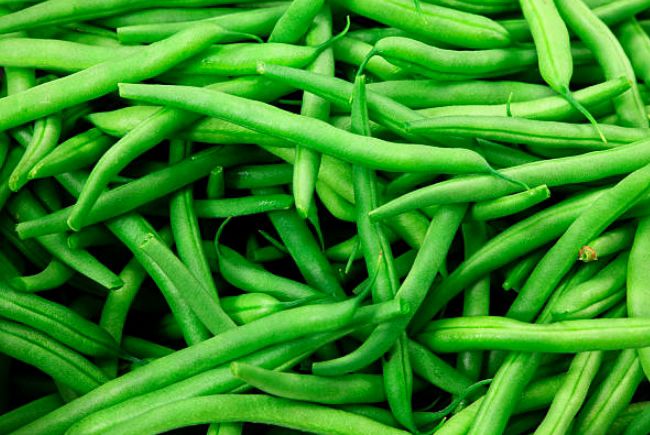
Green beans, also known as string beans or snap beans, are a popular vegetable that are low in calories and a good source of several essential nutrients. Here’s the nutritional content of green beans per 100 grams (3.5 ounces):
Calories: Approximately 31 calories
Carbohydrates: Approximately 7 grams
Protein: Approximately 1.8 grams
Fat: Approximately 0.2 grams
Fiber: Approximately 2.7 grams
Vitamin C: Approximately 12 milligrams
Vitamin K: Approximately 14 micrograms
Folate: Approximately 33 micrograms, Manganese: Approximately 0.2 milligrams
Potassium: Approximately 209 milligrams
Please note that the nutritional content of green beans may vary slightly depending on the specific variety, preparation method, and cooking time.
Recipe: Nutritional Facts of Egg plant
The following is the nutritional information for eggplant (raw)
Serving size: 1 cup (82 g) of diced eggplant
Calories: 20
Total Fat: 0.2 g
Saturated Fat: 0 g
Trans Fat: 0 g
Cholesterol: O mg
Sodium:2 mg
Total Carbohydrate: 4.8 g
Dietary Fiber: 2.5 g
Total Sugars: 2.5 g
Protein: 0.8 g
Vitamin D: 0 IU
Calcium:9 mg
Iron: 0.2 mg
Potassium: 188 mg
Vitamin A: 22 IU
Vitamin C: 1.8 mg
Vitamin K: 2.9 mg
Please note that these values are approximate and may vary depending on the size and freshness of the eggplant. Also, the nutrient content may change depending on how the eggplant is prepared or cooked.
Recipe: Nutritional Facts of Okra
Nutritional value for raw okra, per 100 grams:
Calories: 33 kcal
Carbohydrates: 745 g
Protein: 1.92 g
Fat: 0.19g
Fiber:3.2
Sugar: 1.48 g
Calcium: 81 mg
Iron: 0.62 mg
Magnesium: 57 mg
Phosphorus: 61 mg
Potassium: 299 mg
Vitamin C: 23 mg
Vitamin A:36 IU
Vitamin K:31.3 mg
Note: Nutrient values may vary slightly depending on the variety and freshness of the okra.
Recipe: Nutritional Facts of Tangerine
Tangerines are a type of citrus fruit that are closely related to mandarins and oranges. They are known for their bright orange color, sweet flavor, and easy-to-peel skin. Here are the nutritional facts foratypical tangerine (approximately 76 grams):
Calories: 37
Carbohydrates: 9 grams
Fiber: 1.6 grams
Sugar:7 grams
Protein: 0.6 grams
Fat: 0.2 grams
Tangerines are also a good source of vitamins and minerals, including:
Vitamin C: 23% of the daily recommended value
Vitamin A: 10% of the daily recommended value
Potassium: 3% of the daily recommended value
Tangerines are also rich in antioxidants, such as beta-carotene and flavonoids, which may have health benefits such as reducing inflammation and preventing chronic diseases.
Recipe: Nutritional Facts of Plum
100 grams of raw plum contains the following nutritional values:
Calories: 46 kcal
Protein: 0.7 g
Fat: 0.3 g
Carbohydrates: 11.4 g
Fiber: 1.4 g
Sugar: 9.9 g
Calcium: 6 mg
Iron: 0.2 mg
Magnesium:7 mg
Phosphorus: 16 mg
Potassium: 157 mg
Vitamin C: 9.5 mg
Vitamin A: 17 IU
Plum Nutritional Facts.
Vitamin K:6.4 mcg
It’s important to note that these values may vary depending on the variety of plum and its ripeness.
Recipe: Nutritional Facts of Guava
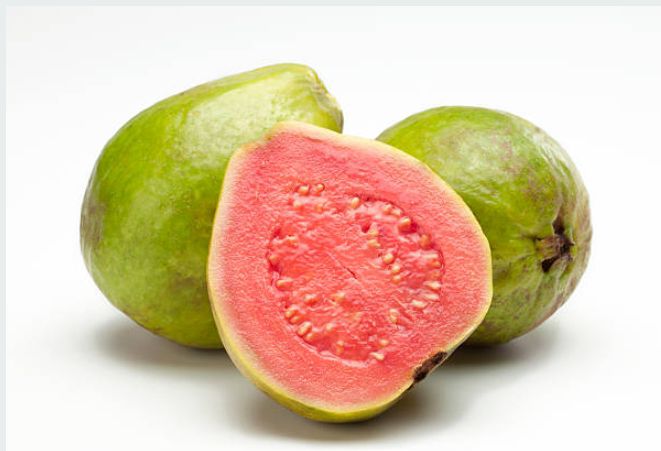
Nutritional facts for 100 grams of raw guava
Calories: 68
Protein: 2.6 grams
Fat: 0.9 grams
Carbohydrates: 14.3 grams
Fiber: 5.4 grams
Sugar: 8.9 grams
Vitamin C: 228.3 milligrams (254% of the Daily Value)
Vitamin A: 624 international units (13% of the Daily Value)
Calcium: 18 milligrams (2% of the Daily Value)
Iron: 0.3 milligrams (2% of the Daily Value)
Potassium: 417 milligrams (9% of the Daily Value)
It’s worth noting that these values may vary depending on the variety and ripeness of the guava
Recipe: Nutritional Facts of Peach
peach (about 150 grams) with the skin:
Calories: 58
Protein: 1.4 grams
Fat: 0.4 grams
Carbohydrates: 14.3 grams
Fiber: 2.3 grams
Sugars: 13.2 grams
Vitamin A: 570 IU
Vitamin C: 9.9 mg
Vitamin E: 0.7 mg
Vitamin K:3.7 mg
Thiamine: 0.03 mg
Riboflavin: 0.05 mg
Niacin: 1.5 mg
Vitamin B6: 0.1 mg
Folate: 6.1 mg
Pantothenic acid: 0.2 mg
Calcium: 10.5 mg
Iron: 0.4 mg
Magnesium: 14.2 mg
Phosphorus: 26.4 mg
Potassium: 285 mg
Sodium: 0 mg
Zinc: 0.3 mg
Note that these values are approximate and may vary depending on factors such as the size and ripeness of the peach.
Recipe: Nutritional Facts of Broccoli
nutritional values for 1 cup (91 grams) of chopped broccoli, raw:
Calories: 55
Total Fat: 0.6 grams
Sodium: 30 milligrams
Total Carbohydrate: 1.2 grams
Dietary Fiber: 51 grams
Total Sugars: 2.2 grams
Protein: 4.2 grams
Vitamins c 81.2mg
Vitamin A: 567 International Units (IU)
Vitamin K: 92.5 micrograms
Folate: 57.3 micrograms
Calcium: 43.9 milligrams
Iron: 0.7 milligrams
Potassium: 457 milligrams
Please note that these values may vary depending on factors such as growing conditions, cooking methods, and measurement accuracy.
Recipe: Nutritional Facts of Celery
Nutritional value per 100 grams:
Calories: 16
Carbohydrates: 3.0 grams
Protein: 0.7 grams
Fat: 0.2 grams
Fiber: 1.6 grams
Sugar: 1.3 grams
Additionally, celery is a good source of vitamins and minerals, including vitamin K, vitamin C, potassium, and folate.
Recipe: Nutritional Facts of Kale
Nutritional values for raw kale per 100 grams (3.5 ounces) of edible portion:
Energy: 49 calories
Protein: 4.28 grams
Fat: 0.93 grams
Carbohydrates: 8./75 grams
Fiber: 3.6 grams
Sugar: 1.25 grams
Vitamin A: 4812 |U (International Units)
Vitamin C: 93.4 mg
Vitamin K: 389 g
Vitamin B6: 0.147 mg
Folate: 141 g
Calcium: 150 mg
Iron: 1.47 mg
Magnesium: 47 mg
Potassium: 491 mg
Please note that these values are approximate and can vary depending on the specific variety of kale, as well as how it is prepared and cooked.
Recipe: Nutritional Facts of Radish
The nutritional fact of one cup (116g) of sliced radish contains:
Calories: 19
Protein: 1gram
Fat: 0 grams
Carbohydrates: 4 grams
Fiber: 2 grams
Sugar: 2 grams
Sodium: 39 milligrams
Vitamin C: 29% of the daily value (DV)
Folate: 7% DV
Potassium: 6% DV
Calcium: 2% DV
Iron: 2% DV
Radishes are also a good source of antioxidants and other beneficial plant compounds.
Recipe: Nutritional Facts of Crab

Nutritional facts for 100 grams of crab meat (cooked, moist heat) include:
Calories: 87 kcal
Protein: 18.6 g
Fat: 1.2g
Cholesterol: 87 mg
Sodium: 324 mg
Potassium: 314 mg
Vitamin C: 5.6 mg
Vitamin B12:9.8 mg
Zinc: 2.3 mg
Selenium: 43.0 mg
It is important to note that nutritional values may vary depending on the species of crab, the specific cut of meat, and how it is cooked
Recipe: Nutritional Facts of Salmon
The nutritional value per 3-ounce (85g) serving of cooked salmon contains approximately:
Calories: 155
Protein: 22g
Fat: 6.7g
Saturated Fat: 1.4g
Monounsaturated Fat: 2.4g
Polyunsaturated Fat: 2.2g
Omega-3 Fatty Acids: 1.8g
Cholesterol: 55mg
Sodium:51mg
Salmon is also a good source of vitamins and minerals, including vitamin B12, vitamin D, selenium, and phosphorus.
Recipe: Nutritional Facts of Mushrooms (olu)

Mushrooms are a nutritious food that can be enjoyed in a variety of ways. Here are some of the nutritional facts of mushrooms per 100 grams:
- Calories: 22
- Protein: 3.1 grams
- Fat: 0.3 grams
- Carbohydrates: 3.3 grams
- Fiber: 1 gram
- Sugar: 2.1 grams
Mushrooms are also a good source of vitamins and minerals, including:
- Vitamin B2 (Riboflavin)
- Vitamin B3 (Niacin)
- Vitamin B5 (Pantothenic acid)
- Vitamin B6 (Pyridoxine)
- Vitamin D (when exposed to sunlight)
- Copper
- Selenium
mushrooms are a low-calories nutrient-dense food that can be a healthy addition to a balanced diet.
Recipe: Nutritional Facts of Tilapia Fish(Epiya)

Tilapia fish is a popular freshwater fish that is commonly consumed around the world.
100 grams of cooked tilapia fish (without added fat) contains the following:
- Calories: 128
- Protein: 26.15 grams
- Total fat: 2.73 grams
- Saturated fat: 0.825 grams
- Cholesterol: 57 milligrams
- Sodium: 45 milligrams
- Tilapia: Nutritious and Delicious
- Potassium: 451 milligrams
Tilapia fish is also a good source of vitamins and minerals, including:
- Vitamin B12
- Niacin
- Phosphorus
- Selenium
In addition, tilapia fish is low in saturated fat and calories, making it a healthy protein source for individuals looking to manage their weight or reduce their intake of saturated fat.
However, it is important to note that the nutritional value of tilapia fish can vary depending on the type of feed used in its production and the farming practices used.
Recipe: Nutritional Facts of Red Snapper

Nutritional value of red snapper fish as per 100-gram serving of red snapper fish contains approximately:
- 109 calories
- 20.6 grams of protein
- 0.8 grams of fat
- 0 grams of carbohydrates
- 57 milligrams of sodium
- 250 milligrams of potassium
Red snapper fish is also a good source of vitamins and minerals, including:
- Vitamin B12
- Vitamin D
- Calcium
- Iron
- Magnesium
In terms of medicinal value, red snapper fish is believed to have anti-inflammatory properties, which may be helpful in reducing the risk of chronic diseases such as heart disease and arthritis. It is also a good source of omega-3 fatty acids, which have been linked to a reduced risk of heart disease, stroke, and some forms of cancer.
It is worth noting that the nutritional and medicinal value of red snapper fish may vary depending on factors such as the fish’s diet and the way it is prepared. It is always important to ensure that any fish you consume is cooked properly to reduce the risk of foodborne illness.
Recipe: The Nutritional Facts of Grapefruit
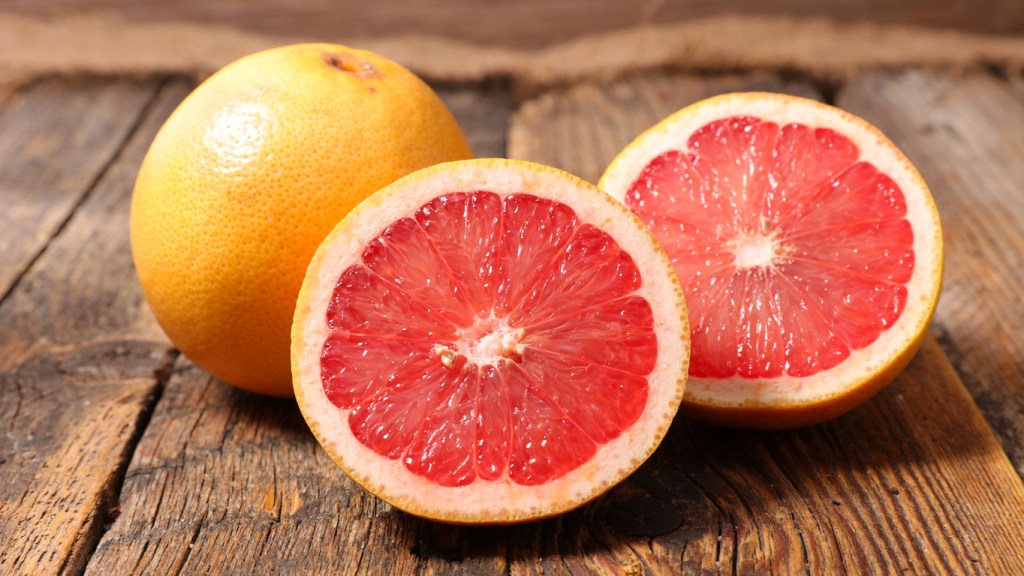
Grapefruit is a citrus tree known for its large, sour to semi-sweet, and bitter fruit. It is used nutritionally as fruit, the extracts, and oil from the peel have medicinal value. Grapefruit is used in controlling many diseased conditions and aids healthy fat digestion. It is a great source of many nutrients such as vitamin C, fiber, potassium, and pectin. People commonly take grapefruit by mouth for-
- weight loss
- asthma
- high cholesterol
- cancer, and many other disease conditions.
CAUTION
Please note that grapefruit may not be beneficial to-
- Pregnant women and/or women breast feeding
- Post-menopausal adults and
- People with abnormal heart conditions
Recipe: The Medicinal and Nutritional facts of Blueberry
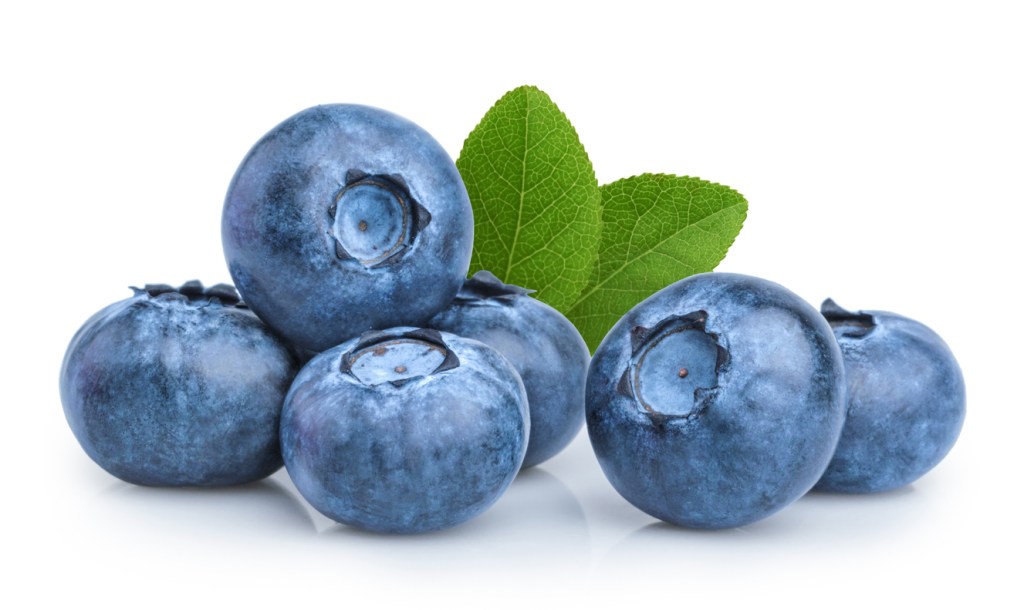
Blueberries are natural antioxidants that are rich in fiber and Vitamin C. They can be found locally in many grocery stores, and farmers markets.
Medicinal Use
Blueberries can be used to reduce the effect of many disease conditions including reducing inflammation in cancer cells. They can also be used to…
- improve cognitive skills
- reduce high blood pressure
- enhance the reduction of diabetic condition
Nutritional Use
Blueberries juice enhances athletic performance, and the anti-aging process.
Recipe: The Medicinal and Nutritional Values of Palm Oil (Epo Pupa)
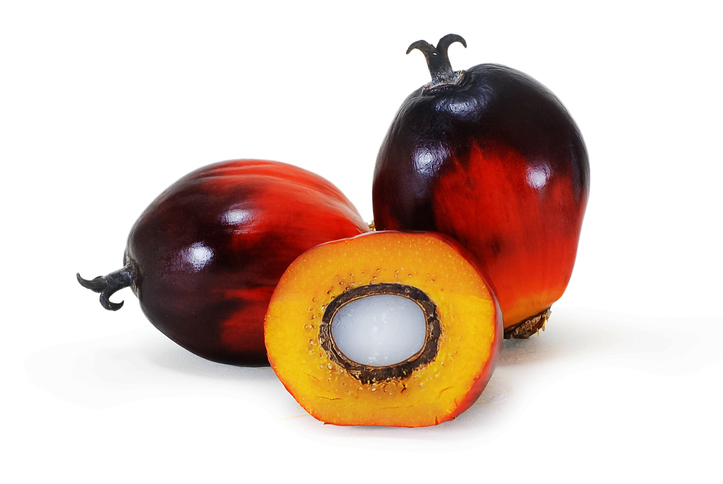

Palm oil is an editable oil from the fruit of the oil palm tree. They are widely used in cooking in West Africa, and they contain saturated and unsaturated fats. Palm oil are antioxidants with rich medicinal and nutritional values. Some types of palm oil are also rich in beta-carotene, and vitamin E.
Medicinal Values
Palm oil can help prevent many disease conditions including
vitamin A deficiency
Malaria
heart disease
cancer
Nutritional Values
Palm oil is used in making many delicious West African soups including Egusi, Ogbono and Edikaikang soup.
Recipe: Medicinal and Culinary Use of Coconut Water (Omi Agbon)
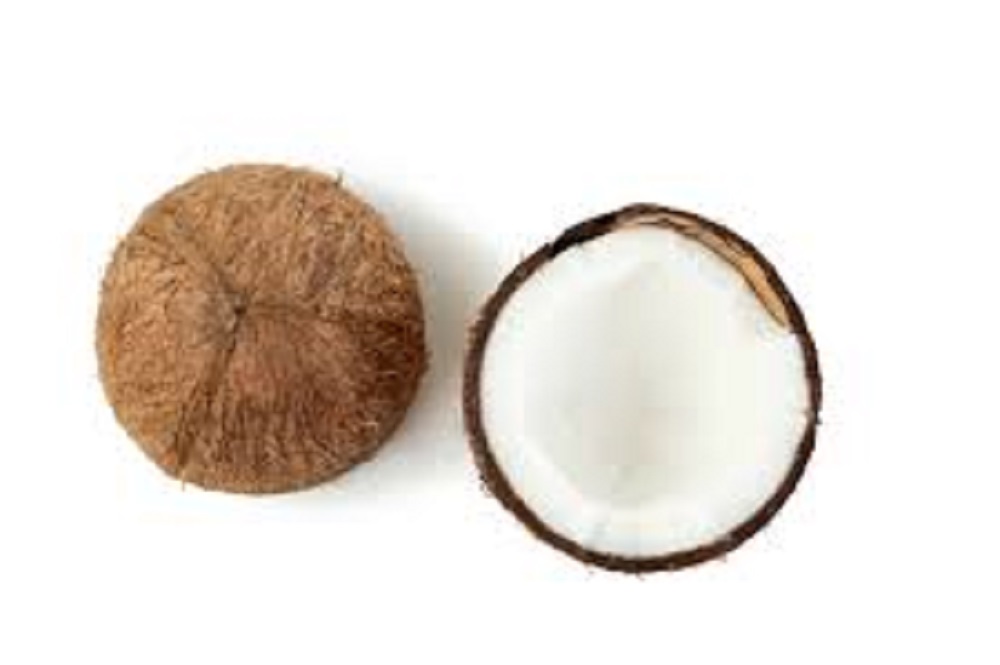
Coconut is the fruit found on a specie of palm tree, one of the most useful trees in the world. Palm trees are often referred to as the “tree of life”. Coconuts are distinct from other fruits because their endosperm contains a large quantity of clear liquid, called coconut water or coconut juice.
Coconut is the fruit found on a specie of palm tree, one of the most useful trees in the world. Palm trees are often referred to as the “tree of life”. Coconuts are distinct from other fruits because their endosperm contains a large quantity of clear liquid, called coconut juice or coconut water. Commonly found on the coast of West Africa, the coconut palm thrives on sandy soils and is highly tolerant of saline ocean water. Coconut water has medicinal and culinary values.
Medicinal Use
Coconut water is the clear liquid found inside immature coconuts. As the coconut matures, the water is replaced by coconut meat. Coconut water is sometimes referred to as green coconut water because the immature coconuts are green in color.
- Coconut water has medicinal value for many health conditions including as a solution for treating dehydration related to diarrhea or exercise. Some research shows that consuming coconut water can help prevent dehydration in children with mild diarrhea.
- Some athletes use coconut water to replace fluids after exercise. Coconut water helps people rehydrate after exercise. Coconut water is rich in carbohydrates and electrolytes such as potassium, sodium, and magnesium. Because of this electrolyte composition, there is a lot of interest in using coconut water to treat and prevent dehydration.
- Coconut water helps improve exercise performance.
- Coconut water is also used for control and treatment of high blood pressure.
Culinary Use
Coconut water is different than coconut milk. Coconut milk is produced from an emulsion of the grated meat of a mature coconut. Coconut water is commonly used as a beverage and cooking certain savory W/African cuisines.
juice or coconut water. Commonly found on the coast of West Africa, the coconut palm thrives on sandy soils and is highly tolerant of saline ocean water. Coconut water has medicinal and culinary values.
Medicinal Use
Coconut water is the clear liquid found inside immature coconuts. As the coconut matures, the water is replaced by coconut meat. Coconut water is sometimes referred to as green coconut water because the immature coconuts are green in color.
- Coconut water has medicinal value for many health conditions including as a solution for treating dehydration related to diarrhea or exercise. Some research shows that consuming coconut water can help prevent dehydration in children with mild diarrhea.
- Some athletes use coconut water to replace fluids after exercise. Coconut water helps people rehydrate after exercise. Coconut water is rich in carbohydrates and electrolytes such as potassium, sodium, and magnesium. Because of this electrolyte composition, there is a lot of interest in using coconut water to treat and prevent dehydration.
- Coconut water helps improve exercise performance.
- Coconut water is also used for control and treatment of high blood pressure.
Culinary Use
Coconut water is different than coconut milk. Coconut milk is produced from an emulsion of the grated meat of a mature coconut. Coconut water is commonly used as a beverage and cooking certain savory W/African cuisines.
Recipe: The Medicinal and Nutritional Values of Green Spinach (Efo Amunututu)
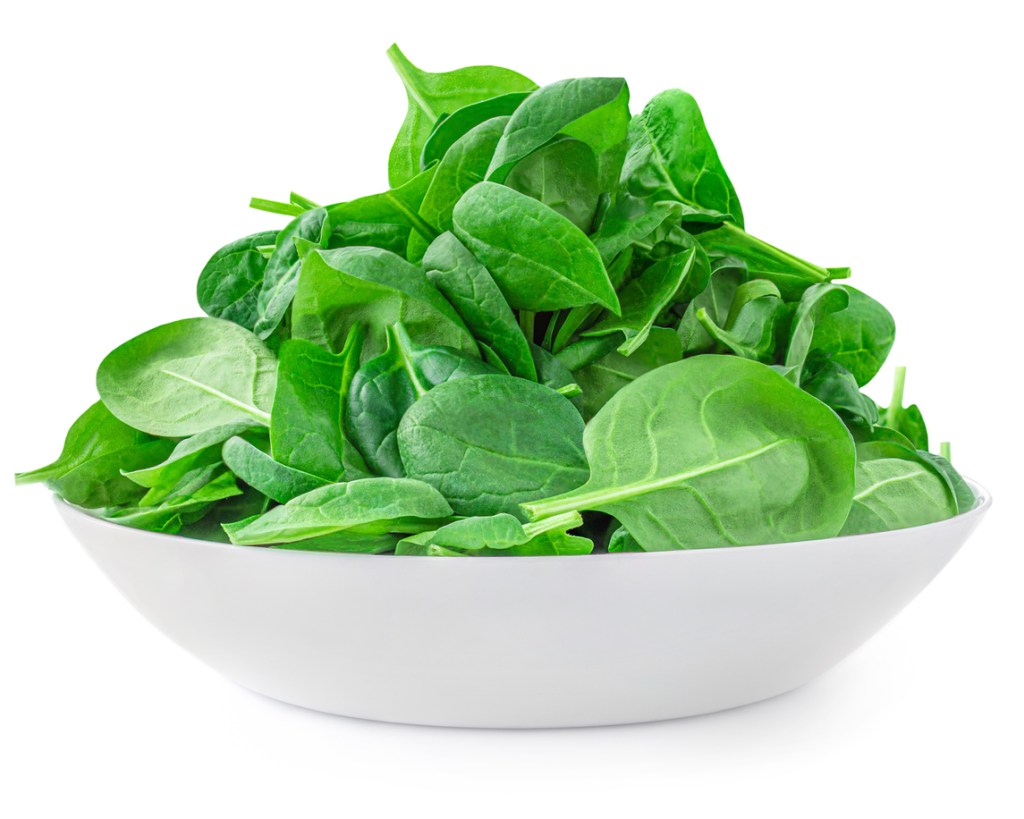
Spinach is a versatile leafy green commonly found in many parts of the world including Nigeria, West Africa. This vegetable has great medicinal and nutritional use. They are great antioxidants, anti-inflammatory, and contains many vitamins and minerals including vitamins A, C, and folate, as well as minerals such as manganese, magnesium, calcium, zinc, and iron. Spinach can enhance the body to fight against many diseased conditions including osteoporosis, certain eye conditions, certain cardiovascular conditions, and iron deficiency anemia.
Spinach has great nutritional values when eaten as food, and used in many cuisines by the Yoruba people of Nigeria. It provides a low calorie, nutrient dense option to add to many different recipes, or to use in a simple salad. It is also a good source of fiber and even contributes a small amount of protein to the diet.
 Dr. Seyibaba Marketplace