

Vitamins and minerals are essential substances that our bodies need to develop and function normally.
Vitamins are organic compounds that are essential in small amount for normal psychological functioning of the body. They are required for growth, development and maintenance of health, and cannot be synthesized in sufficient qualities by the body, so they must be obtained through diet and supplements. There are 13 recognized vitamins including vitamins A,C, D, E, K and the B vitamins which includes thiamin, riboflavin, niacin, pantothenic acid, biotin, vitamins B6, vitamins B12 and folate/folic acid. Each vitamin plays a unique role in the body and deficiencies or excesses of certain vitamins can leads to health problems.
MINERALS
Minerals are known as inorganic substances that are essential to human health and are required in small quantities for various psychological functions, such as building strong bones, transmitting nerve in pulses and maintaining healthy blood pressure.
Example of minerals include : calcium, phosphorus, potassium, sodium, chloride, magnesium, iron, zinc, iodine, sulfur, cobalt, copper, fluoride, manganese, and selenium.
VITAMIN A

Vitamin A plays several important roles in the body.
First, it is essential for vision. Vitamin A helps maintain the health of the retina, which is the part of the eye that converts light into signals that are sent to the brain.
Second, Vitamin A is important for the immune system. It helps regulate the growth and differentiation of cells, including those that are involved in the immune response.
Third, Vitamin A is necessary for the growth and development of cells and tissues in the body, including those in the skin, bones, and reproductive system.
Finally, Vitamin A is an antioxidant, which means it helps protect cells from damage caused by harmful molecules known as free radicals.
Sources of Vitamin A include animal products, such as liver, eggs, and dairy, as well as some plant-based sources, such as sweet potatoes, carrots, and spinach. It is also available in supplement form, but it is important to talk to a healthcare provider before taking any supplements, as high doses of Vitamin A can be toxic.
Vitamin B

Vitamin B refers to a group of eight essential vitamins that play important roles in the body’s metabolism and energy production. These vitamins are collectively known as the B-complex vitamins and include thiamine (B1), riboflavin (B2), niacin (B3), pantothenic acid(B5), pyridoxine (B6), biotin (B7), folate (B9), and cobalamin (B12).
These vitamins work in various ways in the body, including:
1. Energy production: B-complex vitamins play a crucial role in converting food into energy that the body can use. They help break down carbohydrates, fats, and proteins into usable energy.
2. DNA synthesis: Some B vitamins, such as folate and cobalamin, are essential for the synthesis and repair of DNA, which is important for cell growth and division.
3. Neurotransmitter production: Certain B vitamins, such as thiamine, riboflavin, niacin, and pyridoxine, are involved in the production of neurotransmitters, which are chemicals that transmit signals between nerve cells in the brain and throughout the body.
4. Red blood cell production: B-complex vitamins, particularly folate and cobalamin, are essential for the production of red blood cells, which carry oxygen throughout the body.
5. Hormone regulation: B vitamins also play a role in the regulation of hormones such as insulin, which controls blood sugar levels, and cortisol, which is involved in stress response.
Overall, B-complex vitamins are essential nutrients that play important roles in many physiological processes in the body. It is important to obtain sufficient amounts of these vitamins through a balanced diet or through supplements if necessary.
Riboflavin, also known as vitamin B2, is a water-soluble vitamin that playsa crucial role in the body’s energy production, growth, and development. t is a member of the B-vitamin complex and is involved in various metabolic processes, including the conversion of food into energy, the metabolism of fats, carbohydrates, and proteins, and the maintenance of healthy skin, eyes, and nervous system.
Riboflavin is found naturally in a variety of foods, including milk, cheese, eggs, leafy green vegetables, lean meats, and whole grains. It is also commonly added to many processed foods, such as cereals, bread, and pasta. Deficiency in riboflavin can lead to a range of health problems, including anemia, skin disorders, and problems with vision. However, deficiency is rare in developed countries where a varied diet is consumed. Most people obtain adequate amounts of riboflavin from their diet, but supplements are also available for those who may have a higher need for this vitamin.
Niacin, also known as vitamin B3, is a water-soluble vitamin that is important for overall health and well-being, niacin is important for several bodily functions, including:
1. Energy production: Niacin plays a key role in the process of converting food into energy.
2. Nervous system function: Niacin is necessary for proper nerve function and helps maintain a healthy nervous system.
3. Skin health: Niacin helps keep skin healthy by supporting the growth and maintenance of skin cells.
4. Digestive system function: Niacin helps maintain a healthy digestive system by supporting the production of digestive enzymes.
5. Cholesterol management: Niacin has been shown to help manage cholesterol levels in the body, particularly by increasing levels of HDL or ‘good’ cholesterol. It’s important to note that while niacin can be obtained through diet (e.g. meats, fish, and fortified cereals), some people may need to supplement their niacin intake to meet their daily requirements. However, it’s important to consult with a healthcare provider before taking niacin supplements, as high doses can cause side effects such as flushing, itching, and liver damage.
VitaminB6
VitaminB6 also known as pyridoxine, is a water-soluble vitamin that plays an important role in many bodily functions. It is one of the eight B vitamins and is involved in the metabolism of amino acids, which are the building blocks of proteins.
Pyridoxine is also important for the synthesis of neurotransmitters such as serotonin and dopamine, which are involved in regulating mood, appetite, and sleep. It also helps to maintain healthy immune function and is involved in the formation of red blood cells.
Good dietary sources of pyridoxine include meat, fish, poultry, whole grains, nuts, and legumes. It is also commonly added to fortified breakfast cereals and other processed foods.
Deficiency of pyridoxine can lead to symptoms such as anemia, skin rashes, depression, confusion, and seizures. However, excessive intake of pyridoxine can also be harmful and may cause nerve damage. The recommended daily intake of pyridoxine for adults is 1.3-1.7 mg, depending on age and gender.
Vitamin B12, also known as cobalamin, is a water-soluble vitamin that is essential for the normal functioning of the brain and nervous system, as well as for the formation of red blood cells.
B12 is found almost exclusively in animal products such as meat, fish, eggs, and dairy, as it is produced by microorganisms found in these foods. However, it can also be obtained through fortified cereals and supplements.
Deficiency in B12 can lead to pernicious anemia, a condition characterized by fatigue, weakness, shortness of breath, and pale skin. Other symptoms may include tingling or numbness in the hands and feet, difficulty walking, and cognitive changes. Prolonged deficiency can cause irreversible nerve damage and affect brain function.
B12 is also important for pregnant and breastfeeding women, as it plays a crucial role in the development of the fetus and infant nervous system.
Vitamin C

Vitamin C (also known as ascorbic acid) is a nutrient that plays a crucial role in several bodily functions, including the growth and repair of tissues, the formation of collagen, the absorption of iron, and the functioning of the immune system.
Vitamin C is an antioxidant, which means that it helps to protect the body’s cells from damage caused by harmful molecules called free radicals. Free radicals are produced when the body breaks down food or is exposed to environmental toxins like cigarette smoke or radiation. Over time, free radicals can accumulate and damage cells, contributing to the development of chronic diseases like cancer, heart disease, and arthritis.
Vitamin C also helps to regenerate other antioxidants in the body, such as vitamin E, which further enhances its protective effects. In addition, vitamin C is involved in the production of neurotransmitters like serotonin, which helps to regulate mood and appetite, and it may play a role in reducing inflammation and improving the body’s ability to fight off infections.
Overall, vitamin C is an essential nutrient that is important for maintaining good health and preventing chronic disease. While it is best obtained through a healthy diet that includes plenty of fruits and vegetables, supplements may be beneficial for certain individuals who are at risk of deficiency.
Vitamin D

Vitamin D is a nutrient that helps your body absorb calcium, which is essential for strong bones and teeth. Vitamin D also plays a role in immune function, muscle function, and reducing inflammation.
Vitamin D is produced in the body when the skin is exposed to sunlight, and it can also be obtained through certain foods and supplements. Once vitamin D is in the body, it is converted into an active form called calcitriol, which binds to vitamin D receptors in cells throughout the body.
The vitamin D receptors then help regulate the expression of genes involved in calcium
absorption, bone growth, and immune function. By activating these receptors, vitamin D helps to maintain healthy bones, support immune function, and reduce inflammation.
However, it is important to note that excessive vitamin D intake can lead to toxicity, so it’s important to follow recommended intake guidelines and talk to your health care provider before taking vitamin D supplements.
Vitamin K

Vitamin K is essential for the proper functioning of several proteins in the body that are involved in blood clotting, bone metabolism, and other processes.
The most important role of vitamin K is its involvement in the activation of several clotting factors that help to form blood clots when there is injury or bleeding. Vitamin K helps to convert these clotting factors from their inactive forms to their active forms, which enables them to work properly.
Vitamin K also plays a crucial role in bone health by helping to activate a protein called osteocalcin, which is involved in the formation and mineralization of bone tissue.
In addition, recent research suggests that vitamin K may also have other health benefits, such as reducing the risk of cardiovascular disease and improving insulin sensitivity.
It’s worth noting that vitamin K is a fat-soluble vitamin, which means it’s stored in the body’s fatty tissues and liver. Excessive consumption of vitamin K supplements or foods high in vitamin K can lead to toxicity and other health problems, so it’s important to consume it in moderation and as part of a balanced diet
Types of minerals that are essential for human health. These include:
1. Macrominerals: These are minerals that the body needs in relatively large amounts. The macrominerals include calcium, phosphorus, magnesium, sodium, potassium, chloride, and sulfur. These minerals are important for building strong bones and teeth, maintaining a healthy fluid balance, and supporting muscle and nerve function.
2. Trace minerals: These are minerals that the body needs in very small amounts, but are still important for health. The trace minerals include iron, zinc, copper, manganese,iodine, fluoride selenium, chromium, and molybdenum. These minerals are involved in many different processes in the body, including the production of hormones and enzymes, the formation of blood cells, and the maintenance of a healthy immune system.
3. Ultratrace minerals: These are minerals that are required by the body in very small amounts, and are sometimes referred to as “micro minerals” or “micronutrients.”
Ultratrace minerals include boron, nickel, silicon, vanadium, and cobalt. While the specific roles of these minerals in the body are not fully understood, they are believed to be important for overall health and well-being.
It’s important to note that while minerals are essential for health, taking too much of certain minerals (such as iron or zinc) can be harmful.
Examples of mineral
1.Phosphorus:

Phosphorus is an essential mineral that plays a critical role in many physiological processes in the body, including the formation of bones and teeth, energy metabolism, and cell signaling. Phosphorus is obtained from a variety of dietary sources, including dairy products, meat, poultry, fish, eggs, nuts, and legumes. In the body, phosphorus works in concert with calcium to form strong bones and teeth. It also helps to regulate cellular energy production and plays a role in the function of the kidneys and the nervous system.
While phosphorus is important for overall health, it is generally not recommended to take phosphorus supplements unless specifically directed to do so by a healthcare provider. Most people can meet their phosphorus needs through a balanced diet, and excessive phosphorus intake can lead to health problems, such as impaired kidney function and decreased bone density.
2. Calcium: Calcium is a mineral that is essential for many bodily functions, including the development and maintenance of healthy bones and teeth, muscle function, nerve function, and blood clotting.

When calcium is consumed through the diet or supplements, it is absorbed into the bloodstream and carried to various parts of the body where it is needed. The body tightly regulates the level of calcium in the blood to ensure that it remains within a certain range, which is necessary for proper bodily function.
Calcium also plays an important role in muscle contraction. When a muscle receives a signal from a nerve, calcium ions are released from storage in the muscle cells, which causes the muscle to contract. This process is essential for movement and other bodily functions.
In addition, calcium is involved in blood clotting. When an injury occurs and a blood vessel is damaged, calcium helps to form a clot to stop bleeding. It’s important to note that too much or too little calcium can have negative health effects. Consuming too much calcium can lead to kidney stones and other health problems, while consuming too little can result in weakened bones and other health issues.
3. Sodium:
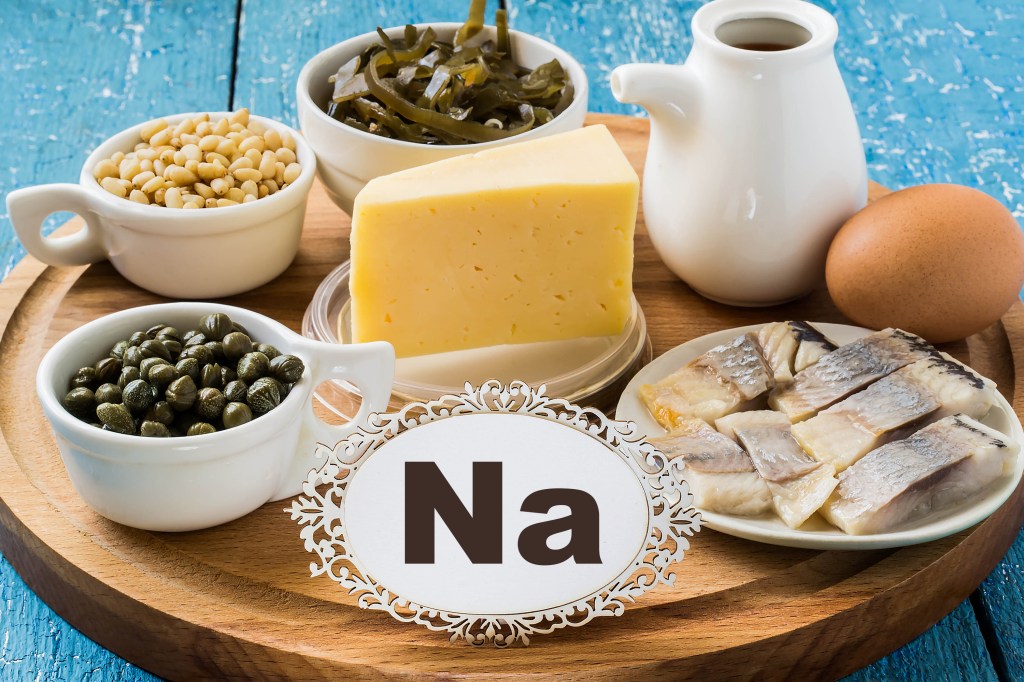
Sodium is also an essential mineral that plays a critical role in many bodily functions, including fluid balance, muscle contraction, and nerve. Sodium is an important nutrient that must be consumed in the diet in appropriate amounts. When sodium is consumed, it is absorbed into the bloodstream and distributed throughout the body. It helps regulate the balance of fluids both inside and outside cells, and helps maintain proper blood pressure levels. Sodium also plays a crucial role in the transmission of nerve impulses and the contraction and relaxation of muscles, including the heart.
However, consuming too much sodium can have negative effects on health, such as increasing the risk of high blood pressure, heart disease, and stroke. It is important to note that while sodium is an essential nutrient, many processed and packaged foods are high in sodium, and it can be easy to exceed recommended daily limits. Therefore, it is important to read nutrition labels and make informed choices when it comes to sodium consumption.
4. Iodine:
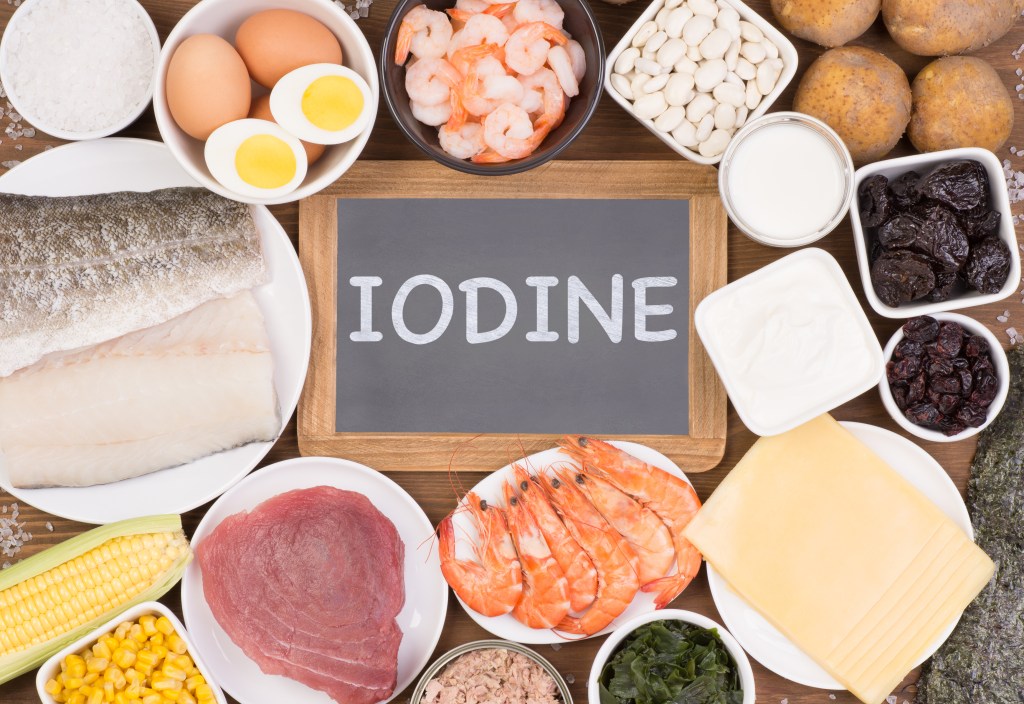
Iodine is an essential mineral that the body needs to produce thyroid hormones, which regulate metabolism and other important bodily functions. Iodine works by being absorbed by the thyroid gland, where it is used to produce thyroid hormones. These hormones then help to regulate a variety of bodily functions, including metabolism, growth and development, and the functioning of the nervous system. Iodine deficiency can lead to a number of health problems, including an enlarged thyroid gland (known as a goiter), hypothyroidism (an underactive thyroid gland), and developmental problems in infants and children. While iodine is naturally found in a variety of foods, including seaweed, fish, and dairy products, some people may need to take iodine supplements to ensure they are getting enough of this important mineral. However, it is important to talk to a healthcare provider before taking iodine supplements, as too much iodine can also be harmful.
5. Magnesium is a mineral that is essential to many biological processes in the human body. It plays a crucial role in over 300 enzymatic reactions, including those involved in energy production, protein synthesis, and muscle and nerve function. One of the most important functions of magnesium is its ability to regulate the movement of ions across cell membranes. It acts as a natural calcium channel blocker, which means it can help to prevent excessive calcium influx into cells, which can be damaging to cellular structures.

Magnesium is also involved in the production and metabolism of neurotransmitters, which are chemicals that allow nerve cells to communicate with each other. This means that magnesium plays a role in regulating mood, memory, and cognitive function.
In addition, magnesium is necessary for the synthesis of DNA and RNA, the genetic material that controls the production of proteins and enzymes in the body.
Overall, magnesium is a versatile mineral that is essential to many different physiological processes in the human body. Its functions range from regulating cellular metabolism to supporting cognitive function and maintaining healthy bones and teeth.
6. Copper as it primarily examines complementary and alternative approaches to health and wellness. However, copper is an essential trace mineral that is required for a variety of biological functions in the human body. Copper plays a crucial role in the formation of red blood cells, maintenance of the immune system, and production of connective tissue, such as collagen. It also helps the body absorb iron and produce energy.
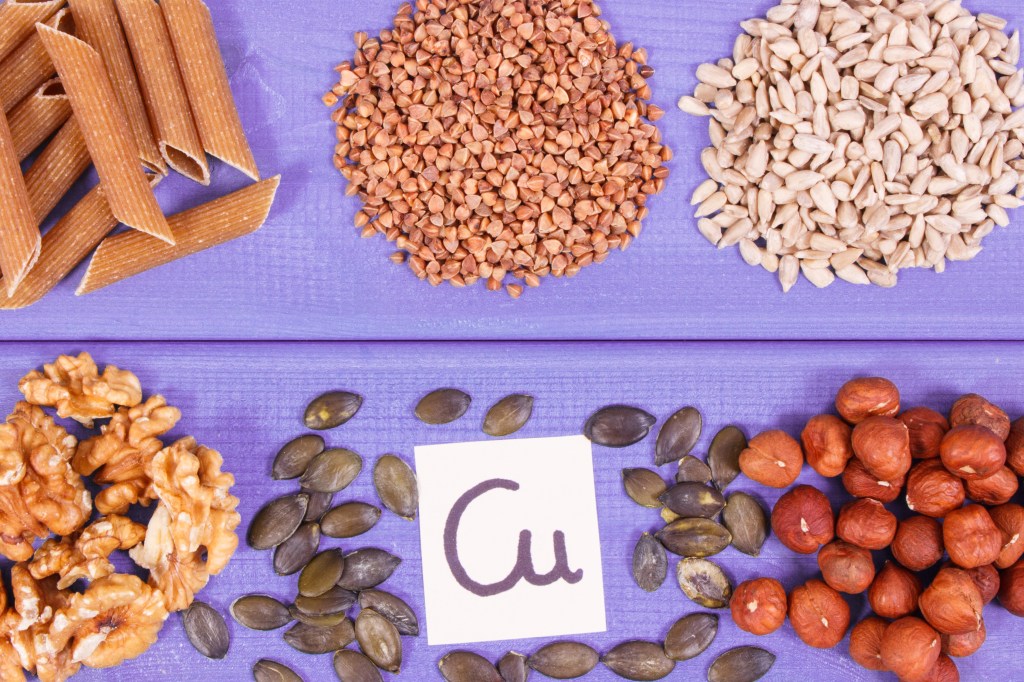
Copper is also known to have antimicrobial properties, which means it can kill or inhibit the growth of microorganisms such as bacteria and viruses. This property has led to the use of copper in various medical applications, such as the production of antimicrobial wound dressings and medical instruments. copper is known to have essential biological functions and antimicrobial properties that make it important for human health.
7. Sulfur is a mineral that is found in every cell of the human body. It is a component of various amino acids, which are the building blocks of proteins. Sulfur is also present in certain vitamins, such as biotin and thiamine. Sulfur has several important functions in the body. It is essential for the formation of connective tissue, which helps to support and strengthen various structures in the body, including the skin, hair, nails, and cartilage. Sulfur also plays a role in the metabolism of certain nutrients, including carbohydrates and fats. While sulfur supplements are available, it is generally recommended to obtain sulfur from dietary sources such as meat, fish, poultry, eggs, legumes, nuts, and certain vegetables such as broccoli, cauliflower, and cabbage. It’s important to note that while sulfur is essential for the body, excess consumption of sulfur or exposure to high levels of sulfur compounds can be toxic.
8. Manganese is an essential mineral that the body needs in small amounts to function properly.manganese is involved in many important bodily processes, including:
1. Bone Health: Manganese helps the body build and maintain healthy bones.
2. Metabolism: Manganese is involved in the metabolism of carbohydrates, proteins, and fats.
3. Antioxidant Function: Manganese acts as an antioxidant, helping to protect the body from damage caused by free radicals.
4. Blood Sugar Control: Manganese plays a role in regulating blood sugar levels.
5. Wound Healing: Manganese is involved in the production of collagen, which is important for wound healing.
6. Nervous System Function: Manganese is necessary for the proper functioning of the nervous system.
7. Reproductive Health: Manganese plays a role in reproductive health, including the development of sperm.
Overall, manganese is an important mineral that supports many vital bodily processes, and a deficiency in manganese can lead to a range of health problems. However, it is important to note that excessive intake of manganese can also be harmful, so it is important to consume manganese in moderation.
Fluoride is a naturally occurring mineral that is commonly found in soil, water, and some foods. It is also added to many public water supplies and dental products, such as toothpaste and mouthwash, as a means of preventing tooth decay. Fluoride works by strengthening tooth enamel, which is the hard outer layer of teeth that protects against decay. When you consume fluoride, it becomes incorporated into your tooth enamel, making it more resistant to acid attacks from bacteria in your mouth. Fluoride can also help to remineralize areas of your teeth that have already started to decay, reversing the damage caused by early-stage cavities.
In addition to its benefits for oral health, fluoride has also been shown to have systemic effects on the body. It can help to increase bone density, particularly in children and adolescents, and may reduce the risk of osteoporosis and fractures later in life. However, excessive intake of fluoride can lead to a condition known as fluorosis, which can cause discoloration and pitting of the teeth.
Overall, fluoride is considered safe and effective when used in appropriate amounts to prevent tooth decay. However, it is important to follow recommended guidelines for fluoride intake, particularly in children, to avoid the risk of fluorosis
9. Zinc is an essential mineral that plays a crucial role in many bodily processes, including immune function, wound healing, and cell growth and division. Zinc works by participating in a variety of biochemical reactions in the body. For example, it helps to activate enzymes that are involved in the metabolism of carbohydrates, fats, and proteins. Zinc also plays a role in the synthesis of DNA and RNA, which are the building blocks of genetic material.

One of the most important functions of zinc is its role in supporting immune function. Zinc is required for the development and function of immune cells, and it helps to regulate inflammation in the body. Studies have shown that zinc supplementation can reduce the duration and severity of common cold symptoms, and it may also help to prevent respiratory infections.
Zinc also plays a role in wound healing by promoting cell growth and tissue repair. In addition, it has been shown to have antioxidant properties, which means that it helps to protect cells from damage caused by harmful molecules called free radicals.
Overall, zinc is an important nutrient that plays a critical role.
10. Iron is an essential mineral that plays a crucial role in many physiological processes in the body. It is an important component of hemoglobin, the protein in red blood cells that carries oxygen from the lungs to the rest of the body. Iron is also involved in the production of myoglobin, a protein that stores oxygen in muscle tissue. Iron is absorbed from the diet and transported in the blood bound to a protein called transferrin. Iron is stored in the body in the form of ferritin, primarily in the liver, spleen, and bone marrow.
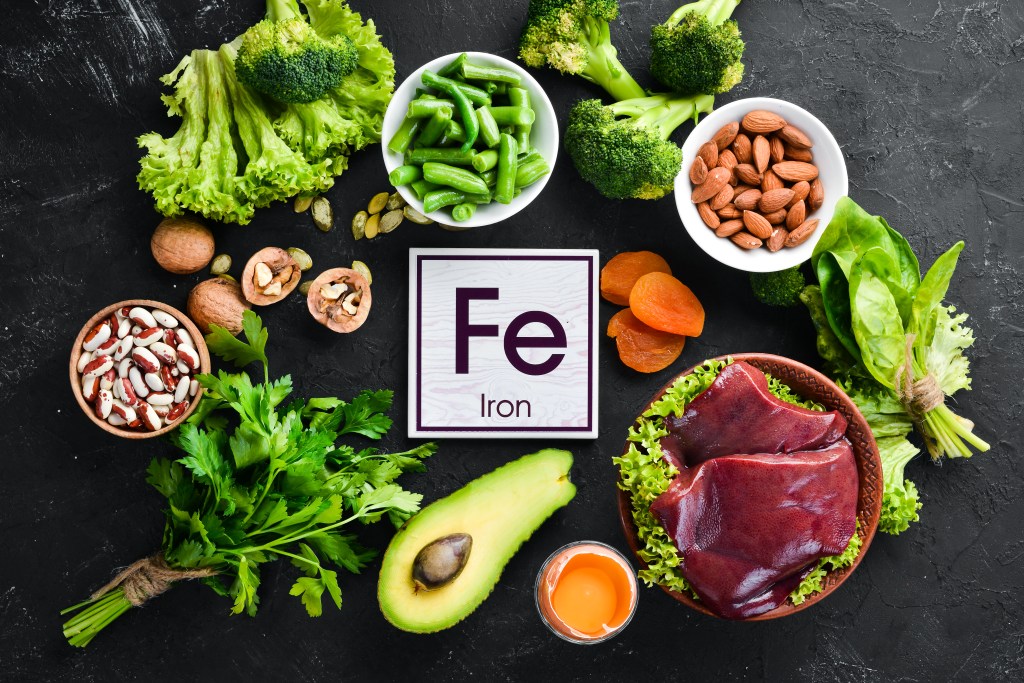
When the body needs more iron, it can release ferritin into the blood. Iron deficiency is a common nutritional deficiency worldwide, and can lead to anemia, fatigue, weakness, and impaired immune function. Iron supplementation may be recommended for individuals with iron deficiency, although it should be done under the guidance of a healthcare provider. It is important to note that excessive iron intake can be harmful, and may lead to iron overload, which can damage organs such as the liver and heart.
11.chloride is an essential mineral that is needed for various physiological functions in the body. Chloride ions (C-) are negatively charged ions that play an important role in maintaining the body’s fluid and electrolyte balance.

Chloride works by:
1. Maintaining fluid balance: Chloride ions are an important component of extracellular fluid (ECF) and work with sodium ions to maintain the body’s fluid balance. This helps to regulate blood pressure and prevent dehydration.
2. Digestion: Chloride ions are involved in the production of hydrochloric acid (HCI) in the stomach, which helps to break down food and aid in digestion.
3. Acid-base balance: Chloride ions play a role in maintaining the body’s acid-base balance. They work with bicarbonate ions to help regulate the pH of the blood and other bodily fluids.
4. Nerve function: Chloride ions are involved in the transmission of nerve impulses and muscle contractions. They help to maintain the electrical potential of nerve cells and muscle fibers.
5. Immune system function: Chloride ions are involved in the immune system’s response to infection and inflammation. They help to regulate the movement of white blood cells and other immune cells throughout the body.
Overall, chloride is an essential mineral that plays a vital role in many physiological functions in the body.
12. Selenium is a mineral that is essential for the human body. It is involved in many important functions, including the production of DNA, the protection of cells from oxidative damage, and the regulation of the immune system selenium works by acting as a cofactor for a number of important enzymes in the body. These enzymes are involved in a variety of processes, including the metabolism of thyroid hormones, the synthesis of DNA, and the maintenance of healthy cell membranes. In addition to its role as a cofactor for enzymes, selenium also has antioxidant properties. This means that it can help protect cells from damage caused by free radicals, which are molecules that can damage cells and contribute to the development of chronic diseases like cancer and heart disease.
Overall, selenium is an important nutrient that plays a critical role in maintaining overall health and well-being. While more research is needed to fully understand its effects on the body, it is clear that adequate selenium intake is essential for optimal health.
 Dr. Seyibaba Marketplace