

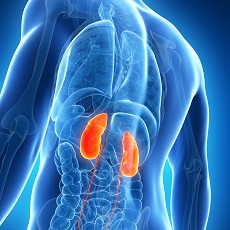
Each person has two kidneys. Their main job is to filter your blood. They remove wastes and extra water, which become urine. They also keep the body’s chemicals balanced, help control blood pressure, and make hormones.
Chronic kidney disease (CKD) is a condition in which the kidneys lose their ability to filter blood and remove waste products from the body. This disease progresses slowly over time and can lead to serious complications, including kidney failure.
What are the Causes?
Symptoms:
In the early stages of CKD, there may be no symptoms, and the disease may only be detected through routine blood or urine tests. As the disease progresses, symptoms may include fatigue, weakness, nausea, vomiting, itching, and swelling in the hands and feet. Patients may also experience high blood pressure, anemia, and bone problems.
How is it Diagnosed?
CKD is diagnosed through blood and urine tests that measure kidney function and detect the presence of waste products in the blood. Imaging tests such as ultrasounds or CT scans may also be used to examine the kidneys and check for any abnormalities. If CKD is suspected, a doctor may refer the patient to a nephrologist, a specialist in kidney diseases.
Treatment:
Treatment of CKD depends on the stage and severity of the disease. In the early stages, lifestyle changes such as diet modifications and exercise may help slow the progression of the disease. Medications may also be prescribed to control high blood pressure and blood sugar levels. In advanced stages, dialysis or kidney transplant may be necessary.
 Dr. Seyibaba Marketplace