
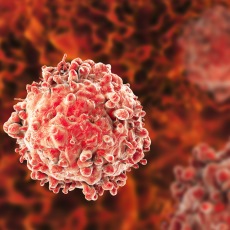
Leukemia is a term for cancers of the blood cells. Leukemia starts in blood-forming tissues such as the bone marrow.
Your bone marrow makes the cells which will develop into white blood cells, red blood cells, and platelets. Each type of cell has a different job:
White blood cells help your body fight infection
Red blood cells deliver oxygen from your lungs to your tissues and organs
Platelets help form clots to stop bleeding
When you have leukemia, your bone marrow makes large numbers of abnormal cells. This problem most often happens with white blood cells. These abnormal cells build up in your bone marrow and blood. They crowd out the healthy blood cells and make it hard for your cells and blood to do their work.There are different types of leukemia. Which type of leukemia you have depends on the type of blood cell that becomes cancer and whether it grows quickly or slowly.The type of blood cell could be:Lymphocytes, a type of white blood cellMyeloid cells, immature cells that become white blood cells, red blood cells, or platelets.
Types of Leukemia
The different types can grow quickly or slowly:
Acute leukemia is fast growing. It usually gets worse quickly if it’s not treated.
Chronic leukemia is slow growing. It usually gets worse over a longer period of time.
The main types of leukemia are:
Acute lymphocytic leukemia (ALL), which is the most common type of cancer in children. It can also affect adults.
Acute myeloid leukemia (AML), which is more common in older adults but can also affect children
Chronic lymphocytic leukemia (CLL), which is one of the most common types of leukemia in adults. It often occurs during or after middle age.
Chronic myeloid leukemia (CML), which usually occurs in adults during or after middle age
Causes
Leukemia happens when there are changes in the genetic material (DNA) in bone marrow cells. The cause of these genetic changes is unknown.
Who is at risk for leukemia?
For the specific types, there are different factors which can raise your risk of getting that type. Overall, your risk of leukemia goes up as you age. It is most common over age 60.
Symptoms
Some of the symptoms of leukemia may include:
Feeling tired
Fever or night sweats
Easy bruising or bleeding
Weight loss or loss of appetite
Petechiae, which are tiny red dots under the skin. They are caused by bleeding.Other leukemia symptoms can be different from type to type. Chromic leukemia may not cause symptoms at first.
Diagnoses
Your health care provider may use many tools to diagnose leukemia:
A physical exam
A medical history
Blood tests, such as a complete blood count (CBC)Bone marrow tests. There are two main types – bone marrow aspiration and bone marrow biopsy. Both tests involve removing a sample of bone marrow and bone. The samples are sent to a lab for testing.Genetic tests to look for gene and chromosome changes
Once the provider makes a diagnosis, there may be additional tests to see whether the cancer has spread. These include imaging tests and a lumbar puncture, which is a procedure to collect and test cerebrospinal fluid (CSF).What are the treatments for leukemia?The treatments for leukemia depend on which type you have, how severe the leukemia is, your age, your overall health, and other factors.
 Dr. Seyibaba Marketplace