
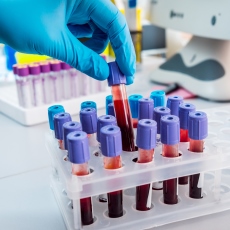
Anemia is a medical condition that occurs when the body doesn’t have enough red blood cells or hemoglobin. Hemoglobin is a protein in red blood cells that carries oxygen to the body’s tissues. Anemia can make you feel tired, weak, and short of breath.
Causes:
Iron deficiency: this is the most common cause of anemia, which happens when the body doesn’t have enough iron to produce hemoglobin.
Vitamin deficiency: a lack of vitamin B12, folate, and other nutrients can cause anemia.
Blood loss: bleeding can lead to a loss of red blood cells.
Chronic diseases: chronic diseases such as cancer, HIV/AIDS, kidney disease, and inflammatory bowel disease can interfere with the production of red blood cells.
Hereditary conditions: inherited disorders like sickle cell anemia and thalassemia can cause anemia.
Types
Iron-deficiency anemia: the most common type of anemia that occurs due to a lack of iron.
Vitamin-deficiency anemia: caused by a lack of vitamin B12, folate, and other nutrients.
Aplastic anemia: a rare but serious type of anemia that occurs when the body fails to produce enough red blood cells.
Hemolytic anemia: happens when red blood cells are destroyed faster than they can be produced.
Sickle cell anemia: an inherited condition that causes abnormal hemoglobin and misshapen red blood cells
Symptoms:
Fatigue and weakness
Shortness of breath
Dizziness or lightheadedness
Pale skin
Irregular heartbeat
Chest pain
Cold hands and feet
Headache
Treatment:
Treatment for anemia depends on the cause and severity of the condition. Treatment options may include:
Iron, vitamin, or mineral supplements
Blood transfusions
Medications to increase red blood cell production
Treating underlying medical conditions that may be causing the anemia
Lifestyle changes, such as eating a healthy diet and exercising
 Dr. Seyibaba Marketplace