

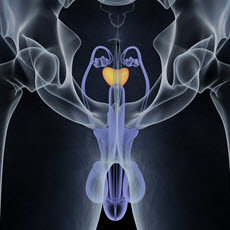
Prostate cancer is one of the most common types of cancer. It often grows very slowly. If it does not spread to other parts of the body, it may not cause serious problems. But sometimes prostate cancer can grow quickly and spread to other parts of the body. This kind of prostate cancer is serious.CausesResearchers don’t know for sure what causes prostate cancer. They do know that it happens when there are changes in the genetic material (DNA).Sometimes these genetic changes are inherited, meaning that you are born with them. There are also certain genetic changes that happen during your lifetime that can raise your risk of prostate cancer. But often the exact cause of these genetic changes is unknown.
Who is more likely to develop prostate cancer?
Anyone who has a prostate can develop prostate cancer. But certain factors can make you more likely to develop it:Age.
Your chance of developing prostate cancer increases as you get older. Prostate cancer is rare in people under age 50.
Family health history. Your risk of prostate cancer is higher if you have a parent, sibling, or child who has or has had prostate cancer.
Race.
African Americans are more likely to get prostate cancer.
They’re also more likely to
Get prostate cancer at a younger age.
Have more serious prostate cancer.Die from prostate cancer
Symptoms :
Prostate cancer doesn’t always cause symptoms, especially at first. If it does cause symptoms, they may include:
Problems urinating (peeing), such as:
A urine stream that’s weak, hard to start, or starts and stops
Suddenly needing to urinate right away
Urinating often, especially at night
Pain or burning when urinating
Blood in your urine or semen
Pain in your lower back, hips, or pelvis that does not go away
Painful ejaculation (the release of semen through the penis during orgasm)But many of these symptoms may be from other common prostate problems that aren’t cancer, such as an enlarged prostate.
You should discuss your prostate health with your health care provider if you:Have symptoms that could be prostate cancerHave a high risk for developing prostate cancer
Had a screening test that suggests you could have prostate cancer diagnoses or chemotherapy.Immunotherapy helps your own immune system to fight cancer.
Prevention
Making healthy life may help to prevent some prostate cancers.
 Dr. Seyibaba Marketplace