
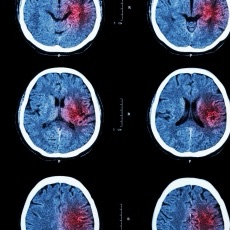
An ischemic stroke happens when a blood clot blocks a blood vessel in the brain, cutting off oxygen and nutrients. It is the most common type of stroke and can cause brain damage, disability, or death if not treated quickly. Causes include blood clots (thrombosis or embolism), atherosclerosis (plaque build-up), irregular heart rhythms (like atrial fibrillation), and other heart or blood disorders. A TIA (mini-stroke) is a brief blockage that increases future stroke risk. Symptoms appear suddenly and may include numbness or weakness (especially on one side), confusion, trouble speaking or seeing, dizziness, loss of coordination, and severe headache. The F.A.S.T. test helps identify stroke: Face drooping, Arm weakness, Speech difficulty, Time to call 911. Diagnosis involves physical exam, medical history, imaging tests, and heart evaluations. Treatment includes clot-busting drugs (thrombolytics), blood thinners, surgery or stenting for narrowed arteries, and rehabilitation to regain lost functions. Medicines may also manage risk factors like high blood pressure, cholesterol, or diabetes. Prevention focuses on heart-healthy lifestyle changes (diet, exercise, quitting smoking) and medications if needed.
 Dr. Seyibaba Marketplace