

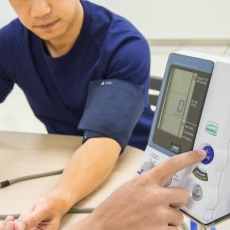
Low blood pressure, or hypotension, is when blood pressure is lower than 90/60 mm Hg. It may cause no symptoms or lead to dizziness, fainting, blurred vision, fatigue, or trouble concentrating, and in severe cases can be life-threatening. A sudden drop in blood pressure can be dangerous and may lead to shock, which causes confusion, cold clammy skin, rapid breathing, and a weak pulse and requires emergency care. There are several types of low blood pressure, including orthostatic hypotension (when standing up), postprandial hypotension (after eating), neurally mediated hypotension (after long periods of standing), and rare nervous system disorders. Causes include dehydration, pregnancy, heart problems, hormone disorders, blood loss, severe infections, allergic reactions, nutrient deficiencies, and certain medications such as blood pressure drugs, Parkinson’s medications, antidepressants, and erectile dysfunction drugs. Blood pressure naturally varies throughout the day and depends on body position, activity, stress, and health. Treatment depends on the underlying cause, and people without symptoms may not need treatment, while ongoing or severe symptoms should be evaluated by a healthcare professional.
 Dr. Seyibaba Marketplace