

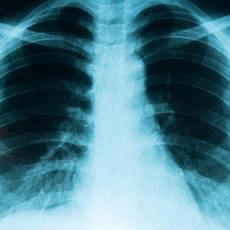
Lung cancer is a disease in which abnormal cells grow in the lungs, usually in the airways, and it is the leading cause of cancer death. There are two main types: small cell lung cancer and non-small cell lung cancer, with the latter being more common. Risk factors include smoking, secondhand smoke, family history of lung cancer, exposure to harmful substances like asbestos or radon, air pollution, and certain medical conditions such as HIV. Symptoms may include a persistent cough, chest pain, coughing up blood, shortness of breath, wheezing, hoarseness, unexplained weight loss, fatigue, loss of appetite, swelling in the face or neck, and trouble swallowing. Lung cancer is diagnosed through a combination of medical history, physical exams, imaging tests like X-rays or CT scans, lab tests, and biopsy. Staging tests are also done to determine if the cancer has spread. Treatment depends on the type and stage of cancer and may include surgery, chemotherapy, radiation, immunotherapy, targeted therapy, laser therapy, photodynamic therapy, cryosurgery, or stent placement. Prevention focuses on quitting or avoiding smoking and reducing exposure to hazardous substances and radon. Early detection and avoiding risk factors are crucial because lung cancer is often diagnosed at an advanced stage.
 Dr. Seyibaba Marketplace