

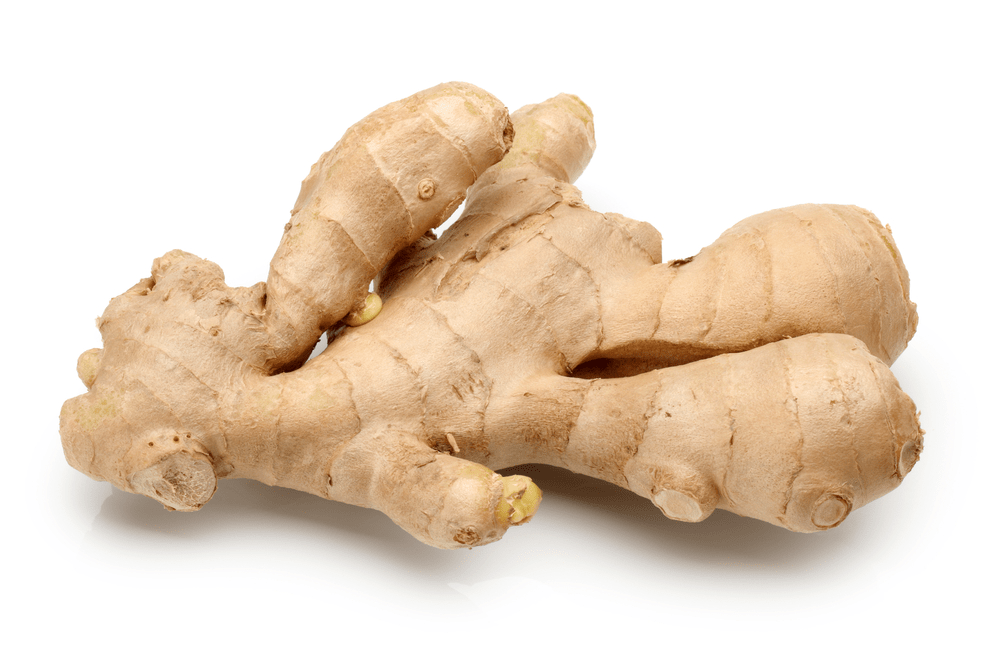
Ginger is a flowering tropical plant that grows in China, India, Africa, the Caribbean, and other warm climates. Native to parts of Asia, such as China, Japan, and India, ginger has a leafy stem and yellowish-green flowers. The root of the ginger plant is well-known as a spice and flavoring. The spice comes from the rhizome (underground stem) of the plant.
Gingerol is the substance that gives ginger its tangy flavor.Ginger has been used for medicinal and culinary purposes in W/Africa and China for many years, and it has had a prominent role in W/African, Chinese, Indian, and Japanese medicine for a very long time. My grandmother, a prominent herbal trader and practioner in Lagos Island, Nigeria used the spice for medicinal and culinary purposes.
Medicinal Use Ginger has been studied for several types of nausea and vomiting. Scientists have found that gingerol and related compounds in ginger root have some health benefits.
Research shows that ginger may be helpful for mild nausea and vomiting associated with pregnancy.Ginger helps motion sickness.Ginger dietary supplements might be helpful for menstrual cramps.Ginger supplements are helpful for symptoms of knee osteoarthritis.
Culinary Use Ginger is a spice used in seasoning meat for stew by the Yoruba people of W/Africa. When blended with other herbs, it is used in making the spicy and savory Nigerian pepper soup. Nigerians drink pepper soup to knock cold out and to reduce the incidence of hangover. While it is not yet scientific proven, the Nigerian pepper soup may enhance recovery from COVID-19.
Ginger can also be used in hot beverage. Ginger tea is available in many local grocery stores. You can make ginger root tea at home by peeling the root and slicing or chopping it. Place the root in water and boil for up to 10 minutes, and then let it stand before drinking. You may enhance the therapeutic effect by adding other herbs such as turmeric, alligator pepper (atare), lemon, mint, or cinnamo
 Dr. Seyibaba Marketplace