

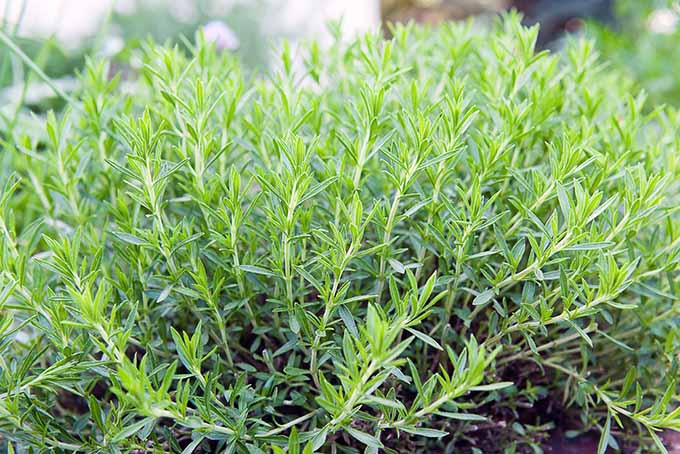
Tarragon is a fragrant perennial herb belonging to the sunflower family (Asteraceae). It is native to Europe and parts of Asia and is widely cultivated for its aromatic leaves and culinary importance. The plant has slender, green leaves and small pale green or yellow flowers. There are two main varieties — French tarragon (Artemisia dracunculus var. sativa), prized for its delicate flavor, and Russian tarragon (Artemisia dracunculus var. inodora), which is hardier but less aromatic.
The leaves are the most useful part of the plant. They contain essential oils such as estragole, ocimene, and anethole, which give tarragon its distinctive anise-like aroma and medicinal qualities.
Tarragon is rich in antioxidants, vitamins A and C, and essential oils, which contribute to its digestive, calming, and restorative effects. Medicinally, it is used to:
Stimulate appetite and digestion Relieve indigestion, bloating, and flatulence Promote sleep and relaxation due to its mild sedative effect Support circulation and ease fatigue Provide antibacterial and anti-inflammatory benefits
 Dr. Seyibaba Marketplace