

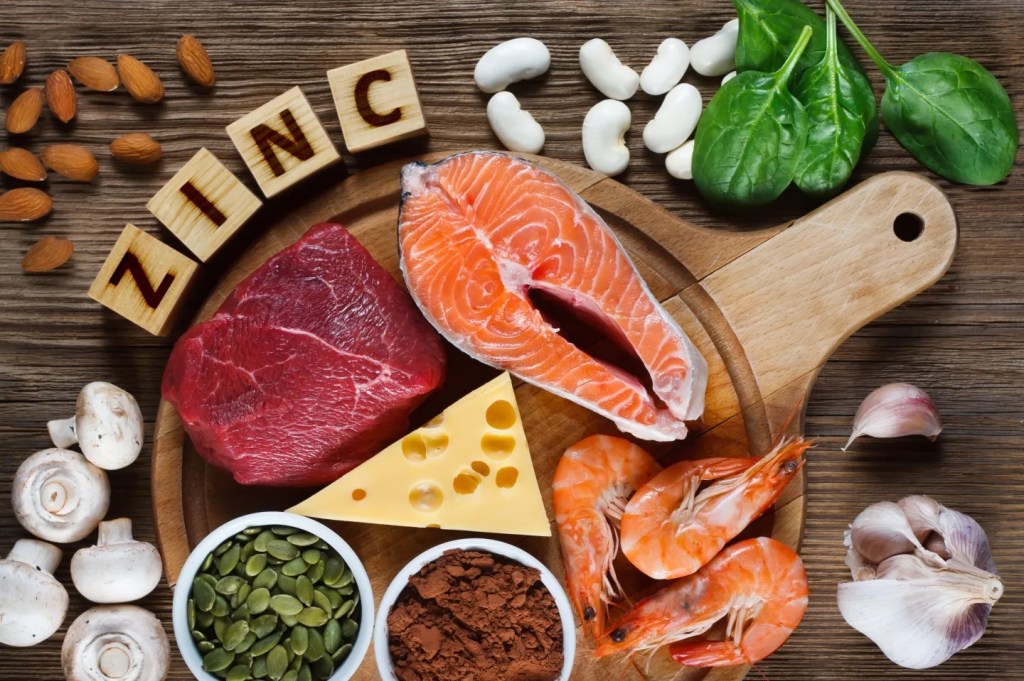
Zinc is an essential mineral that plays a crucial role in many bodily processes, including immune function, wound healing, and cell growth and division. Zinc works by participating in a variety of biochemical reactions in the body. For example, it helps to activate enzymes that are involved in the metabolism of carbohydrates, fats, and proteins. Zinc also plays a role in the synthesis of DNA and RNA, which are the building blocks of genetic material.
One of the most important functions of zinc is its role in supporting immune function. Zinc is required for the development and function of immune cells, and it helps to regulate inflammation in the body. Studies have shown that zinc supplementation can reduce the duration and severity of common cold symptoms, and it may also help to prevent respiratory infections.
Zinc also plays a role in wound healing by promoting cell growth and tissue repair. In addition, it has been shown to have antioxidant properties, which means that it helps to protect cells from damage caused by harmful molecules called free radicals.
Overall, zinc is an important nutrient that plays a critical role.
 Dr. Seyibaba Marketplace